
The First 10 Days of Dhul Hijjah: What Makes Them Unique

The First 10 Days of Dhul Hijjah: What Makes Them Unique
Quick Donation
Donate Now

The first 10 days of Dhul Hijjah hold a special place in the Islamic calendar. They are not simply the days leading up to Eid. They are a distinct period of worship, reflection, and reward that carries unusual weight in Islam.

Many people give these days less attention than Ramadan, but they are among the most important days of the entire year. They bring together some of the greatest acts of worship, including Hajj, the Day of Arafah, Eid al-Adha, and Qurbani.

That is what makes them unique. They are a short but powerful season in which multiple acts of devotion come together at once.


1. What Are the First 10 Days of Dhul Hijjah

Dhul Hijjah is the final month of the Islamic calendar, and its first ten days are especially sacred. This period marks the beginning of the Hajj season and leads into some of the most significant days in Islam.

For pilgrims, these are the days of Hajj. For everyone else, they remain days of worship, remembrance, fasting, charity, and repentance. Their value is not limited to those travelling to Makkah.

This is one of the reasons these days stand out so strongly. Even though they are closely tied to pilgrimage, their reward extends to Muslims everywhere.


2. The Best Days of the Year

The first ten days of Dhul Hijjah are the best days of the year for righteous deeds. The Prophet ﷺ said:

"No good deeds done on other days are superior to those done on these (first ten days of Dhul Hijjah)."
(Sahih al-Bukhari 969)

This hadith sets the foundation for understanding these days. It shows that the value of worship in this period is unmatched across the rest of the year.

Unlike other times that are known for one specific act or one particular night, these ten days carry consistent value throughout. Every act of worship performed in them holds greater weight.


3. The Connection to Hajj

These days are closely connected to Hajj, one of the greatest pillars of Islam. Dhul Hijjah is the month of pilgrimage, and its first ten days carry the atmosphere and meaning of that journey.

Even for those not performing Hajj, the connection remains. While pilgrims are engaged in the rites of Hajj, others can still share in the blessings of this season through prayer, fasting, remembrance, and charity.

This makes the ten days unique. They are rooted in one of the greatest acts of worship, yet their benefit is not limited to those physically present.


4. Key Days Within the First 10 Days

Within these ten days, certain days carry even greater significance. They build toward a powerful close and bring together different forms of worship, from personal devotion to communal acts.

4.1 The Day of Arafah

The 9th of Dhul Hijjah is the Day of Arafah, one of the most important days of the year. It is the central day of Hajj and a day of immense value for those not on pilgrimage as well.

The Prophet ﷺ said:

"Fasting the Day of Arafah, I hope from Allah, expiates the sins of the previous year and the coming year."
(Sahih Muslim 1162)

This shows the significance of the day even for those not performing Hajj. It is a day of fasting, du'a, repentance, and turning back to Allah.

It gives the ten days a depth that goes beyond outward actions. It is a day focused on sincerity and closeness to Allah.

4.2 Eid al-Adha

The 10th of Dhul Hijjah is Eid al-Adha. It marks the beginning of one of the two major celebrations in Islam and serves as the public and communal peak of the ten days.

The Prophet ﷺ said:

"The greatest day in Allah's sight is the Day of Sacrifice…"
(Sunan Abi Dawud 1765)

Eid al-Adha is not separate from the ten days. It is the culmination of them. After days of worship and preparation, Eid arrives as a day of gratitude, prayer, and gathering.

This is what gives Eid its meaning. It is the outcome of a sacred period, not just a standalone celebration.

4.3 Qurbani

Qurbani is one of the most visible acts connected to this time of year. It brings a practical and communal dimension to the ten days.

However, it is important to understand its timing correctly. The Prophet ﷺ said:

"The first thing we will do on this day of ours is to pray, then return and slaughter the sacrifice."
(Sahih al-Bukhari 5545)

This makes it clear that Qurbani begins on the 10th of Dhul Hijjah, after the Eid prayer. It is not an act performed across all ten days in the same way as fasting or dhikr.

There is also a connection to the start of the ten days for those intending to sacrifice. The Prophet ﷺ said:

"If anyone of you intends to offer a sacrifice, he should not remove anything from his hair or nails."
(Sahih Muslim 1977)

This links the beginning of the ten days to preparation for Qurbani, even though the sacrifice itself takes place later.

This balance shows the unique nature of the period. The earlier days focus on worship and preparation, while the later part brings visible acts of sacrifice and benefit to others.


5. Common Misunderstandings

One common misunderstanding is that these days mainly matter for people performing Hajj. The hadith about the virtue of deeds in these ten days applies to everyone, not just pilgrims.

Another misunderstanding is that these days are only about Eid. In reality, Eid is just one part of a wider sacred period. The days before it carry their own weight through worship, fasting, and remembrance.

A third misunderstanding is that these days are less important because Ramadan has already passed. The hadith clearly shows that these days are among the best in the year, making them another major opportunity for reward.

It is also important to correct the idea that Qurbani is closely connected to these ten days, but it does not apply to all of them in the same way. The sacrifice itself begins on the Day of Eid, after the prayer, not during the earlier days.


6. Final Takeaway

The first 10 days of Dhul Hijjah are unique because they bring together multiple forms of worship in one short period. They are the best days of the year for righteous deeds, the season of Hajj, the time of the Day of Arafah, and the lead-up to Eid al-Adha and Qurbani.

The Prophet ﷺ said:

"No good deeds done on other days are superior to those done on these (first ten days of Dhul Hijjah)."
(Sahih al-Bukhari 969)

This captures the essence of the entire period. These days are a rare opportunity to increase in worship, reflect, give, and make the most of a time that does not come often.
Who Needs to Give Qurbani? Eligibility Explained

Who Needs to Give Qurbani? Eligibility Explained

Quick Donation
Donate Now

Bismillah-ir-Rahman-ir-Raheem

Every year, Qurbani comes around with a familiar question: who actually needs to give it.

Many people assume it is a family responsibility or something handled by one person on behalf of everyone. Others are unsure whether it applies to them at all.

The reality is simple. Qurbani is tied to clear individual conditions. Once those are understood, the answer becomes straightforward.

1. What “Eligibility” Means in Qurbani

Qurbani is a personal act of worship. It is tied to an individual, not simply to a household or a shared custom.

The Prophet ﷺ said:

“If anyone of you intends to offer a sacrifice, he should not remove anything from his hair or nails.”
(Sahih Muslim 1977)

This shows that Qurbani is linked to the individual who intends to perform it. It is not an undefined group action.

Eligibility, therefore, means whether a specific person meets the conditions that make Qurbani apply to them.

There are four core conditions that determine eligibility:

  • Being Muslim
  • Having reached puberty
  • Being of sound mind
  • Having sufficient wealth beyond basic needs

The requirement of maturity and sound mind is grounded in a clear principle from the Prophet ﷺ:

“The pen has been lifted from three: from the sleeper until he wakes, from the child until he reaches puberty, and from the one who is insane until he regains sanity.”
(Sunan an-Nasa’i 3432, Hasan)

This establishes that children and those not mentally capable are not held accountable.

Qurbani, like other obligations, only applies once a person is fully responsible in this sense.


2. The Financial Threshold Explained

The key factor after basic eligibility is financial ability. This is measured through Nisab.

Nisab refers to a minimum level of wealth. If a person owns wealth above this threshold, after covering their essential needs, they are considered financially able.

This typically includes:

  • Savings
  • Cash
  • Gold or investments

It does not include:

  • The home you live in
  • Daily living expenses

In the Hanafi understanding followed by many UK organisations, if a person meets this financial threshold, Qurbani becomes necessary for them.

There is no single hadith that lays out this threshold in one line for Qurbani. Instead, this ruling comes from established fiqh, where scholars apply broader principles of financial responsibility to Qurbani.


3. Who Must Give Qurbani

Qurbani applies to individuals, not households.

Each adult who meets the conditions is responsible for their own Qurbani. One sacrifice does not automatically cover every eligible adult in a family.

This applies equally to men and women. If both meet the financial threshold, both are responsible individually.

The Prophet ﷺ would offer sacrifice on behalf of his household, saying:

“O Allah, accept this on behalf of Muhammad, the family of Muhammad, and the Ummah of Muhammad.”
(Sahih Muslim 1967)

This shows that a sacrifice can include others in intention and reward. However, it does not remove the individual responsibility of other eligible adults where that responsibility applies.

In practice, the key rule remains simple: if a person independently meets the conditions, the responsibility applies to them.


4. Who Does Not Need to Give Qurbani

Qurbani does not apply to everyone. It is not required from:

  • Those whose wealth is below the required threshold
  • Children who have not reached puberty
  • Those who are not mentally capable

The earlier hadith applies directly here:

“The pen has been lifted from three…”
(Sunan an-Nasa’i 3432)

This confirms that responsibility is lifted from those who are not legally accountable.

In addition, within the Hanafi view, a traveller is also not required to give Qurbani. This comes from juristic interpretation rather than a single explicit hadith statement.


5. Common Misunderstandings

“Only the head of the family needs to give”
This is not accurate. Qurbani is linked to individuals. If multiple adults meet the conditions, each is responsible.

“One Qurbani covers the whole household”
The Prophet ﷺ included his household in intention, but this does not automatically replace the individual responsibility of every eligible adult.

“If I gave Zakat, I do not need to give Qurbani”
Zakat and Qurbani are separate acts. Meeting one does not cancel the other, even though both relate to financial ability.


6. A Simple Way to Know

You can reduce eligibility to a simple check:

  • Are you Muslim?
  • Have you reached puberty?
  • Are you of sound mind?
  • Do you have wealth above the required threshold?

If the answer is yes to all, then Qurbani applies to you.


7. Final Clarity

Qurbani is based on individual responsibility and financial ability.

It is not defined by family roles or shared assumptions. Each person who meets the conditions is responsible for their own Qurbani.

Once the financial threshold is met, the obligation becomes clear and personal.

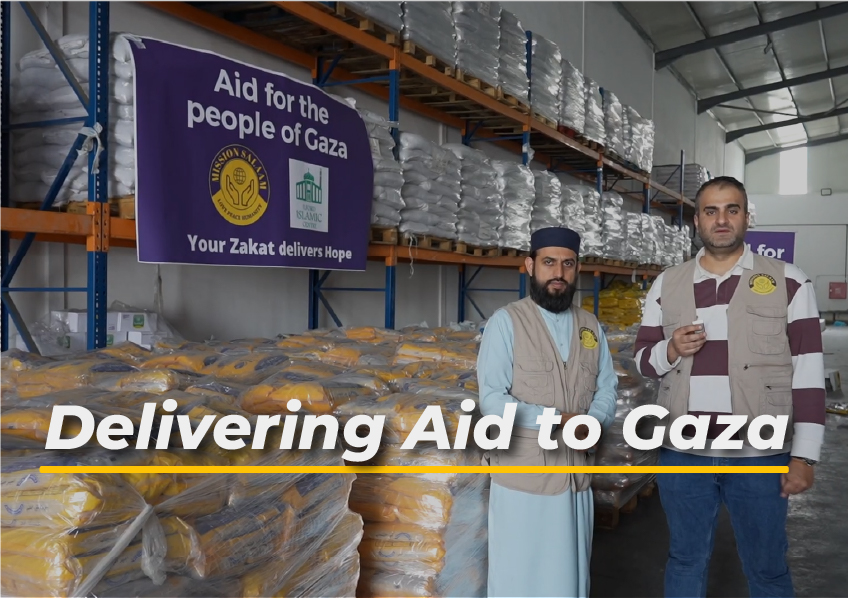
Delivering Aid to Gaza

Delivering Aid to Gaza

Author: Chairman Imam Ehsanullah

Quick Donation
Donate Now

This time the journey wasn’t easy. The flight was cancelled multiple times, and the team on the ground kept advising me to wait until the situation in the region settled a bit.

But I had made a promise to my beloved brothers and sisters - that before Eid al-Adha, we would send another truck for Gaza. So I told them to stay ready, I would come on any available flight.

Aid delivery to Gaza Aid delivery to Gaza Aid delivery to Gaza Aid delivery to Gaza

SubhanAllah, the flight was almost empty. Many people are avoiding travel due to the ongoing tensions in the region. But Alhamdulillah, I have arrived safely.

Right now, we are preparing another truck filled with rice and flour.

Aid supplies being loaded Aid supplies being loaded

I want to sincerely thank each and every one of you who contributed and made this possible. May Allah bring ease into your lives, just as you have brought ease to the orphans of Gaza.

This initiative has only been possible through the support of donors. Their contributions have directly enabled this delivery and brought timely assistance to vulnerable communities.

As this next shipment is finalised, the focus remains on reaching those who need it most - particularly families and children affected by the crisis.

Muharram and Its Importance: A Sacred Month in Islam

Muharram and Its Importance: A Sacred Month in Islam

Quick Donation
Donate Now

Muharram is one of the most sacred months in the Islamic calendar and holds immense religious, spiritual, and historical significance for Muslims worldwide. It marks the beginning of the Islamic New Year and is considered one of the four sacred months in which warfare is prohibited. But beyond its role as the first month of the Islamic lunar calendar, Muharram is especially revered for the historical events that took place during this time, most notably the tragedy of Karbala.


1. The Sacredness of Muharram

The word Muharram literally means "forbidden," highlighting its status as a holy month during which fighting and bloodshed were prohibited, even before the advent of Islam. In Surah At-Tawbah (9:36), Allah mentions:

"Indeed, the number of months with Allah is twelve [lunar] months in the register of Allah [from] the day He created the heavens and the earth; of these, four are sacred. That is the correct religion, so do not wrong yourselves during them..."
(Quran 9:36)

The four sacred months are Dhul-Qi'dah, Dhul-Hijjah, Muharram, and Rajab. During these months, acts of worship are encouraged, sins are considered more serious, and believers are urged to maintain peace and righteousness.


2. The Day of Ashura: The 10th of Muharram

The most significant day in the month of Muharram is the Day of Ashura, which falls on the 10th of Muharram. This day is marked by fasting, reflection, and remembrance, with deep historical significance for both Sunni and Shia Muslims, though their observances differ.

2.1 Significance for Sunni Muslims

For Sunni Muslims, Ashura is a day that commemorates the deliverance of Prophet Musa (Moses) and the Children of Israel from the tyranny of Pharaoh. According to authentic narrations, when Prophet Muhammad (peace be upon him) migrated to Madinah, he found the Jewish community fasting on this day in gratitude for their deliverance.

The Prophet (PBUH) then said:

"We have more right over Musa than them."

He encouraged his followers to fast on this day, and later, to distinguish the Muslim practice, he recommended fasting an additional day, either the 9th or the 11th of Muharram.

The Prophet (PBUH) also said:

"Fasting on the Day of Ashura expiates the sins of the previous year."
(Sahih Muslim)

2.2 Significance for Shia Muslims

For Shia Muslims, Muharram is a month of mourning, marked by profound grief and remembrance of the martyrdom of Imam Hussain ibn Ali, the grandson of Prophet Muhammad (PBUH), at the Battle of Karbala in 680 CE.

Imam Hussain, along with his family and companions, stood against the tyrannical rule of Yazid, the Umayyad caliph. Despite facing overwhelming odds, Hussain refused to pledge allegiance to an unjust ruler, ultimately sacrificing his life for justice, truth, and the preservation of Islamic values.

The tragedy of Karbala is commemorated through Majalis (gatherings), processions, and recitations that recount the events of the battle and the heroism of Imam Hussain and his companions. The message of standing up against oppression and injustice resonates deeply with Muslims to this day.


3. Reflection and Lessons from Muharram

Muharram is not merely a historical commemoration but a time for spiritual reflection and personal growth. Here are some lessons that can be drawn from this sacred month:

  • Standing for Justice: The courage of Imam Hussain reminds us of the importance of standing up for what is right, even in the face of hardship.
  • Patience and Perseverance: The trials faced by Prophet Musa and Imam Hussain emphasize the virtues of patience, steadfastness, and reliance on Allah.
  • Renewal and Repentance: As the Islamic New Year begins, it is a time for introspection, seeking forgiveness, and setting spiritual goals for the year ahead.
  • Unity and Compassion: Despite differing interpretations and practices, the month of Muharram teaches Muslims to embody unity, compassion, and respect for one another.

4. Acts of Worship Recommended in Muharram

  • Fasting, especially on the 9th and 10th (or 10th and 11th) of Muharram
  • Giving charity and helping those in need
  • Increasing acts of worship, such as prayer, recitation of the Qur'an, and remembrance of Allah
  • Attending gatherings of remembrance and learning about Islamic history
  • Avoiding sinful behaviour, as sins are considered more serious during the sacred months

5. Conclusion

Muharram is more than the start of a new year in the Islamic calendar; it is a time of deep reflection, remembrance, and commitment to faith. Whether through fasting, remembering the heroes of Karbala, or renewing one's relationship with Allah, this sacred month offers an opportunity for spiritual rejuvenation and a reminder of the timeless values of truth, justice, and sacrifice.

As we mark the beginning of another Islamic year, may we all strive to embody the lessons of Muharram in our lives and walk the path of righteousness with sincerity and steadfastness.

Donate Qurbani 2025: Give a Feast to Those in Need

Donate Qurbani 2025: Give a Feast to Those in Need

Quick Donation
Donate Now

Each Eid al-Adha, Qurbani reminds us of Prophet Ibrahim’s devotion to Allah and the duty to share our blessings. By giving Qurbani, we follow in his footsteps—sacrificing a portion of our wealth and remembering the poor. Performing Qurbani is a Sunnah and an expression of gratitude, a way to “gain empathy for those less fortunate” and ensure “they can celebrate Eid without worrying about how to feed their children” This isn’t just ritual—it’s human compassion. Imagine a hungry child on Eid receiving meat on their plate for the first time in months: that’s the power of your Qurbani.

Mission Salaam’s Qurbani Campaign

Mission Salaam is reaching out to the most vulnerable families across India, Pakistan, Nepal, Azad Kashmir, Kenya, Uganda and Tanzania this year. In these regions, many people live in dire poverty and often go the whole year without meat. Last year alone, generous donors provided Qurbani meat to over 3 million people in 29 countries, giving a crucial source of protein to families that would otherwise go hungry. When you donate Qurbani through Mission Salaam, you make sure your sacrifice is delivered with care to someone who truly needs it—a mother cooking a meager meal for her children, a widow who can only afford rice and vegetables. This Eid, let your Qurbani be their feast and their hope.

Affordable Qurbani Options from £25

Mission Salaam believes every Muslim should be able to give Qurbani. In the UK, you can donate Qurbani starting from just £25missionsalaam.org.uk. As their Qurbani 2025 page promises, you can participate “in this sacred act of devotion without breaking the bank”missionsalaam.org.uk. Whether you choose to donate a goat, a sheep, a cow share or even a full cow, your gift will nourish needy families this Eid. Here are some giving options:

  • Donate a Goat or Sheep: A single goat/sheep in Pakistan or Azad Kashmir costs about £105 (In India/Nepal, Qurbani starts at only £25. Your gift will be one family’s entire Eid meat.
  • Donate a Cow Share: Share a cow with others. In Pakistan or Azad Kashmir a 1/7th share is £55; in Kenya/Uganda/Tanzania, £45. Each share ensures a portion of beef goes to a deserving family. (Combine shares to gift a whole cow.)
  • Donate a Full Cow: By sponsoring seven shares, you can donate an entire cow. A whole cow’s meat will feed multiple households—a true blessing for a whole village.
  • Donate Where Needed Most: If you prefer, your £45 can go as Qurbani “where most needed,” so Mission Salaam directs it to the community facing the greatest hunger.

Each option—donating a goat, a sheep, a cow share, or a cow—is a chance to give Qurbani and change a life. By choosing an affordable package online, you can pay Qurbani in UK securely and easily. Mission Salaam handles the rest: sourcing healthy animals and delivering the meat to families in need.

Blessings Across Borders

Your Qurbani gift will bring joy to children in rural villages and refugees in camps. As Mission Salaam explains, “your sacrifice helps feed impoverished families, providing them with nutritious meat during Eid al-Adha, a time of celebration and unity.” In places where “food is scarce and people haven’t consumed meat all year,” this gift is nothing short of life-changing. It warms our hearts to share this bounty. Remember: when we give, we also support local farmers and markets, creating income and hope in those communities.

Fulfilling your Qurbani is also a spiritual duty. For those paying Zakat, Qurbani is Wajib (obligatory), and for all who can afford it, it is highly recommended. Your act of charity in the name of Qurbani will, as the Quran reminds us, reach Allah in the form of your sincerity and righteousness.

Act Now – Fulfill Your Duty Before Eid

Eid al-Adha is around the corner, and the families in need are counting on your generosity. By giving your Qurbani 2025 donation to Mission Salaam today, you fulfill your sacred duty and spread blessings across continents. As one charity says of giving, “sadaqatul fityr (charity) protects a servant from the fire” – let your Qurbani be your shield and your gift to the needy.

Don’t wait until the last minute: make this Eid meaningful for those who have nothing. DONATE NOW and choose your Qurbani package and pay Qurbani online. With every pound you give, you help feed a family, honor the Sunnah, and gain blessings beyond measure.

This Eid, turn your compassion into nourishment. Donate your Qurbani with Mission Salaam and give someone the gift of a warm, joyful Eid feast.

Mission Salaam Begins Ramadan with Iftar Meal Deliveries in Gaza

Mission Salaam Begins Ramadan with Iftar Meal Deliveries in Gaza

Quick Donation
Donate Now

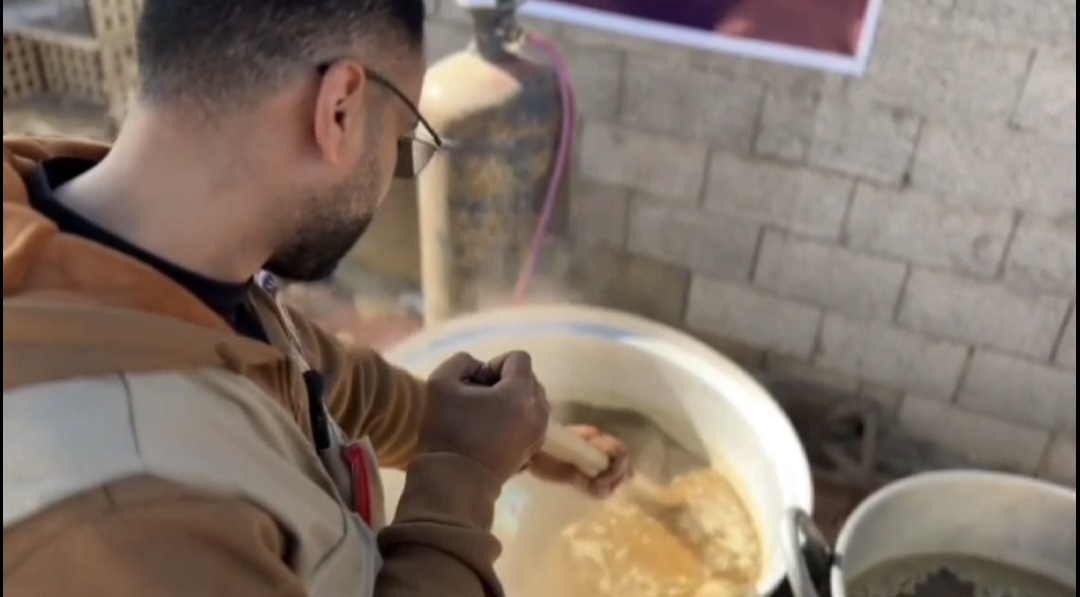
Gaza City, March 10, 2024: As the blessed month of Ramadan commences, Mission Salaam has initiated its efforts by delivering Iftar meals to families in need across Gaza. Amidst the challenges faced by the region, Mission Salaam remains steadfast in its commitment to providing essential support to the community.

The distribution of Iftar meals marks the beginning of a crucial period for Mission Salaam, where the organization aims to alleviate hunger and provide sustenance to those who are most vulnerable. With the support of generous donors, Mission Salaam has launched this initiative to ensure that families in Gaza can break their fast with nutritious and wholesome meals.

"We recognize the significance of Ramadan and the importance of coming together to support one another during this holy month," stated the spokesperson for Mission Salaam. "Through our Iftar meal deliveries, we aim to bring comfort and nourishment to families in Gaza, allowing them to observe Ramadan with dignity and joy."

Furthermore, Mission Salaam emphasizes that the need for assistance extends beyond Ramadan. The organization is committed to sustaining its efforts beyond the month of fasting, ensuring a continuous supply of cooked meals and clean water to the people of Gaza.

"This is not just about Ramadan; it's about providing ongoing support to those who are facing hardships," expressed the spokesperson. "Your Zakat donations play a vital role in enabling us to maintain our operations, ensuring that families in Gaza have access to cooked meals and clean water throughout the year."

Mission Salaam urges individuals and organizations to contribute towards its cause, emphasizing that every donation makes a meaningful difference in the lives of those in need. By supporting Mission Salaam, donors can ensure that their Zakat donations are utilized effectively, providing sustained assistance to the people of Gaza.

To donate towards cooked meals and clean water supply with Mission Salaam, please visit [your donation link/website].

Together, let us make a difference and bring hope to the people of Gaza during Ramadan and beyond.

Our Masjids Construction has Started in Azad Kashmir 

Our Masjids Construction has Started in Azad Kashmir 

Quick Donation
Donate Now

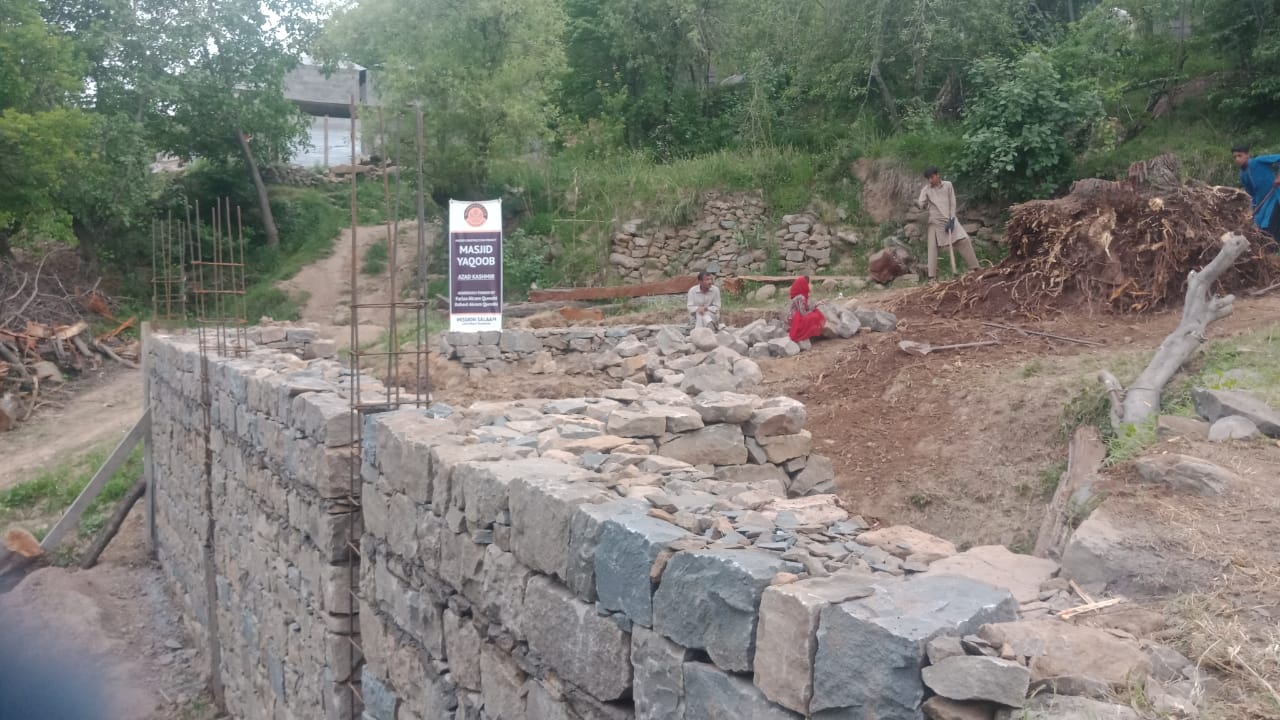
Mission Salaam has started to build Masjids in Azad Kashmir. We have received needs from various communities in different regions in Azad Kashmir in Kotli Pal, Lahsar Jandal, Narakot, Pal Malout, Upper Bari from districts Bagh and Poonch. 

Some of our donors have given funds to build Masjids and Alhamdulillah construction has already been started. We aim to finish our Masjids within 3 months' time once we have received complete funds from our donors. We also welcome our donors to travel to Pakistan and join the opening ceremony of the Masjid. This is a very emotional and spiritual moment for our donors. 

Here is a sneak peek of one of our Masjid, Masjid Yaqoob, under construction in Kashmir.

If you want to talk about our Masjids construction project, please feel free to send an email to: info@missionsalaam.org.uk.

Food Distribution to Flood-Affected Refugees in Pakistan 

Food Distribution to Flood-Affected Refugees in Pakistan 

Quick Donation
Donate Now

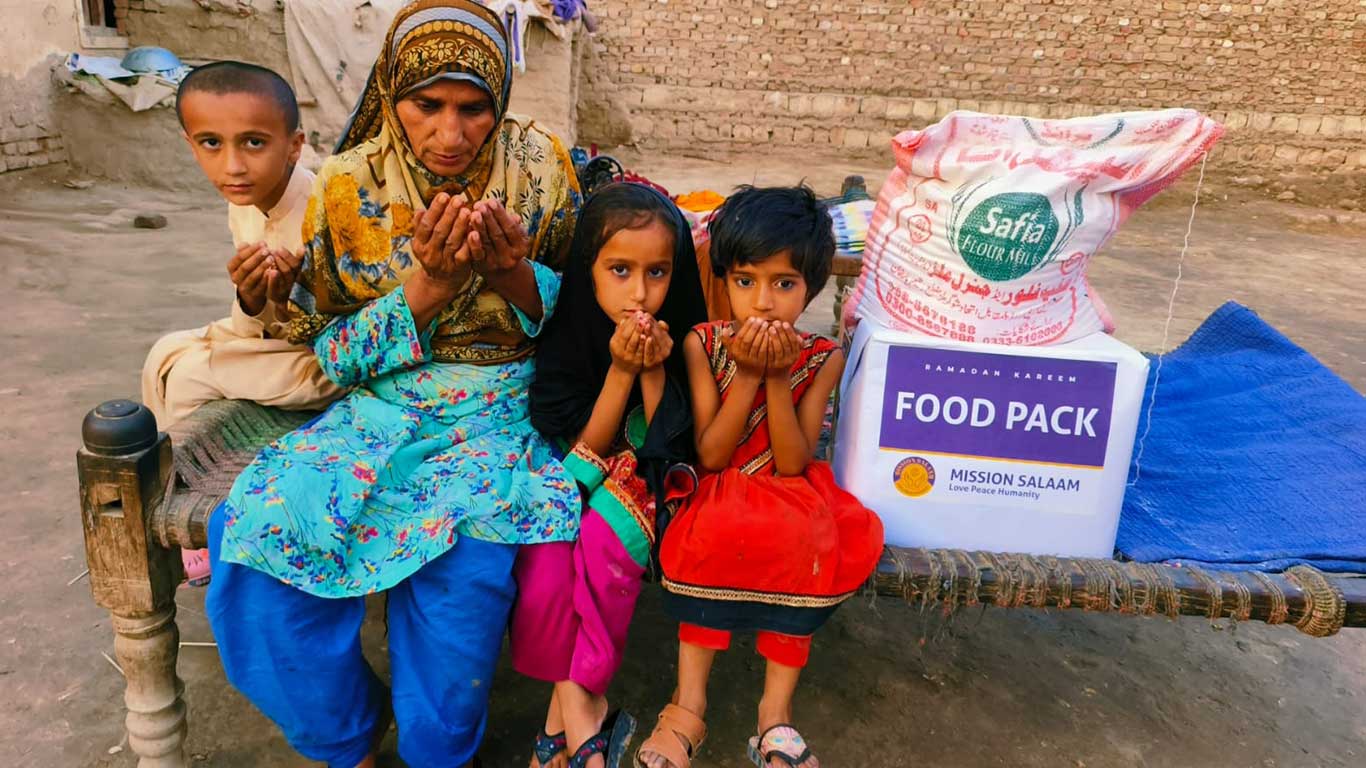
Mission Salaam has started to distribute Food in the most devastated regions by Floods in Pakistan. People are still waiting for infrastructure to start building in the country's most remote regions; hence, they do not have any livelihood opportunities. If we can only start sending them food, whatever they are earning, they can save for themselves and eat in peace. At least they will not be worried about eating food anymore. 

“The food pack is a lifeline for me and my children, my husband is away working in Multan, he comes back only once a month, this food pack from Mission Salaam really means life for me and my family”, says Khurshid Bibi from Dist. Khairpur. 

Join our mission and be a part of our monthly food pack distribution projects