113 CHESTER AVENUE LUTON LU4 9SQ
020 4509 9247
info@missionsalaam.uk
1199236

Eid al-Adha is more than a day of celebration. It is a day of prayer, sacrifice, gratitude, and remembrance of Allah. It connects worship with care for others and reminds Muslims of obedience, sincerity, and generosity.
Allah says regarding Qurbani:
“Neither their meat nor blood reaches Allah. Rather, it is your piety that reaches Him. This is how He has subjected them to you so that you may proclaim the greatness of Allah for what He has guided you to, and give good news to the good-doers.”
(Qur’an 22:37)
This verse captures the spirit of Eid al-Adha. The purpose is not the outward act alone, but the sincerity, gratitude, and remembrance behind it.
UK Islamic charity guidance often highlights this connection between worship and community care. Eid al-Adha is not only about sacrifice itself. It is also about ensuring others are included in the blessings of the day.
Eid al-Adha is closely connected to the legacy of Prophet Ibrahim عليه السلام and his willingness to submit completely to the command of Allah. Qurbani continues as a remembrance of that obedience and sacrifice.
The Prophet ﷺ said:
“The first thing we will do on this day of ours is to offer the (‘Id) prayer and then return to slaughter the sacrifice. Whoever does so, he acted according to our Sunnah…”
(Sahih al-Bukhari 5545)
This hadith connects the Eid prayer directly with Qurbani and shows that sacrifice is part of the worship of Eid itself.
UK Islamic charities commonly describe Qurbani as an act of worship, obedience, and gratitude. The sacrifice is not simply a ritual tradition. It is meant to revive the lessons of submission, sincerity, and willingness to give for the sake of Allah.
Eid is a time to recognise blessings and thank Allah for them. Families gather, food is shared, and communities come together in worship and celebration.
But gratitude in Islam is not only spoken. It is shown through worship, remembrance, generosity, and care for others.
This is why the Qur’an connects sacrifice with proclaiming the greatness of Allah and recognising His guidance. Eid becomes meaningful when gratitude moves beyond personal enjoyment and turns into compassion and generosity toward others.
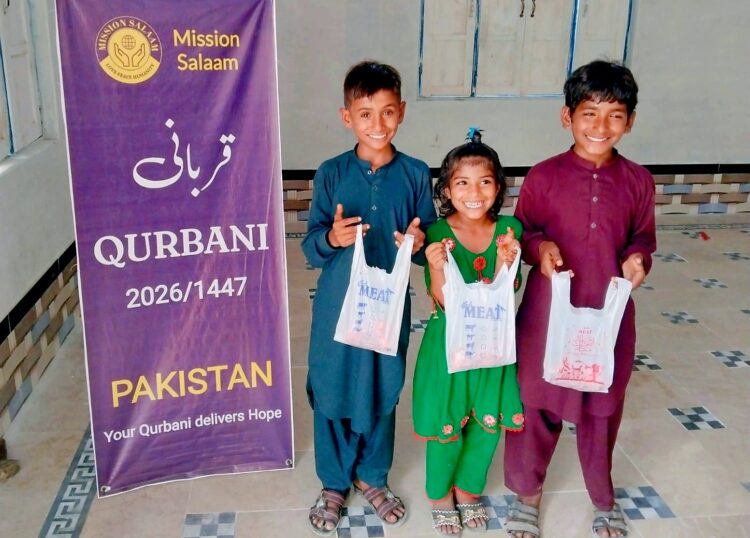
Many Islamic organisations working in Qurbani distribution also emphasise this point. For many vulnerable families around the world, Eid meat may only come once a year. Remembering this changes how a person approaches the day and the blessings they have been given.
One of the clearest messages of Eid al-Adha is remembering those facing hardship. Qurbani is not meant to remain a private act. Its benefit should reach others.
The Prophet ﷺ said regarding the sacrifice meat:
“…eat, preserve and give in charity.”
(Sahih Muslim)
This reflects an important principle of Eid al-Adha: sharing.
UK Islamic charity programmes often explain that Qurbani reaches:
For many people around the world, Qurbani may be the only time in the year they are able to eat meat.
This is why Eid should not become focused only on personal celebration. It is also a time for feeding others, giving charity, maintaining family ties, and ensuring vulnerable people are not forgotten.
Eid brings Muslims together through prayer, remembrance, giving, and shared celebration. It is also a time to remember those facing hardship across the world.
Families affected by war, poverty, displacement, hunger, and loss are often unable to experience Eid in the same way others do. This is why many Muslims spend Eid making du’a, giving charity, and supporting relief efforts for vulnerable communities.
Mercy and compassion are central to the spirit of Eid. The day should soften the heart, strengthen family and community ties, and remind people of their responsibility toward others.
Eid al-Adha is a day of gratitude, sacrifice, and remembrance. It reminds Muslims to thank Allah, follow the example of Prophet Ibrahim عليه السلام, and remember those who are struggling.
The true message of Eid is not only found in what we receive, but also in what we give.
When prayer, Qurbani, charity, and compassion come together, Eid becomes more than a celebration. It becomes a means of bringing relief, dignity, and hope to others.
Together, we can create a world where the message of love from Islam resonates in every heart, transcending barriers and building a harmonious global community.
While a ceasefire has been declared, the dire conditions continue, and we thus urge our donors to continue their generous support. This aid is not only critical for immediate survival.
DONATE ➜
You can restore a masjid in Africa with much needed works so that it can be prayed in safely once again.
DONATE ➜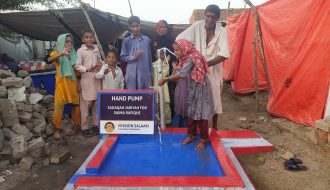
We have delivered over 50 Handpumps in just the last 2 months and have reported back to our donors
DONATE ➜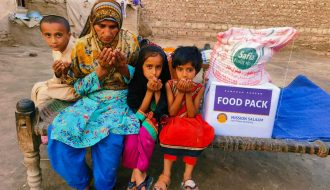
Our "Feed the Hungry" initiative aims to provide essential sustenance and nourishment to vulnerable communities facing food insecurity.
DONATE ➜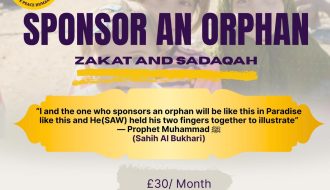
At Mission Salaam, we believe every child deserves a chance to live with dignity, hope, and opportunity.
DONATE ➜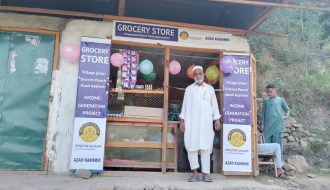
Business startup funds for needy people are designed to provide accessible capital, mentorship, and resources to help underprivileged entrepreneurs launch sustainable ventures.
DONATE ➜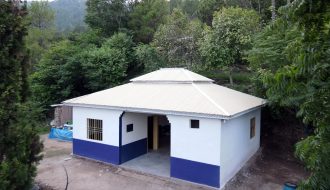
There are thousands of widows who need a home for themselves to save them from being abused
DONATE ➜
Your contribution directly supports the students of Islam to spread the beautiful teachings of Islam globally.
DONATE ➜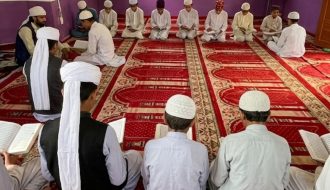
The Prophet (PBUH) said: “Whoever recites the Qur’an and learns it and acts according to it will be given a crown of light to wear on the Day of Judgement.”
DONATE ➜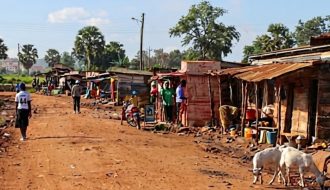
In Uganda, female-headed households experience higher rates of multidimensional poverty (49%) compared to male-headed households (39%).
DONATE ➜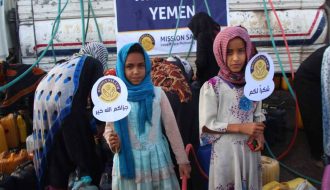
More than 11 million children are in need of one or more forms of humanitarian assistance says Unicef.
DONATE ➜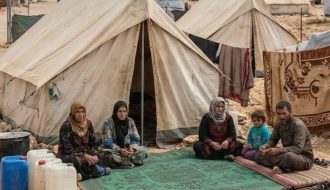
Help refugees from Gaza who are freezing and hungry right now, awaiting your aid.
DONATE ➜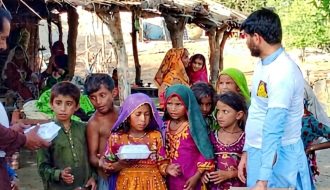
Hundreds killed as floods ravage north Pakistan. Your donation can save a family from this horrible situation.
DONATE ➜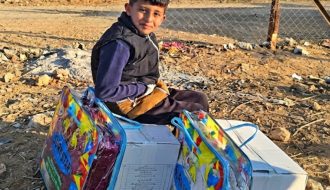
Pakistan is highly susceptible to climate change impacts, including harsh winters that disproportionately affect marginalized communities.
DONATE ➜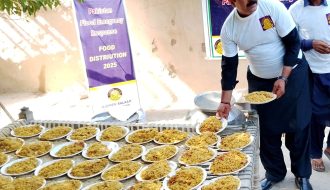
Simply providing nutritious hot cooked meals (£10 for 25 meals), helps to fill stomachs, warm hearts, and relieve pressure on families, and it sows the seeds of hope.
DONATE ➜
By providing a new Muslim with the tools to practice their faith, you are helping preserve the Ummah in Africa.
DONATE ➜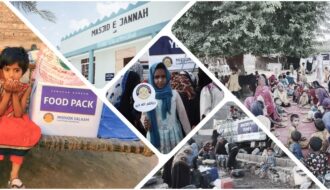
Set up a small weekly Sadaqah and it will be given every Friday — the most blessed day of the week — even when life is busy. From £2 a week, your consistency helps Mission Salaam keep serving families in need.
DONATE ➜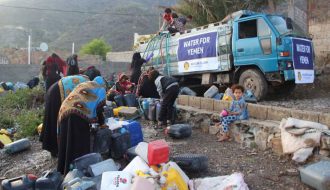
Your £5 or £10 Direct Debit can do miracles and does not bother your finances
DONATE ➜Blogs
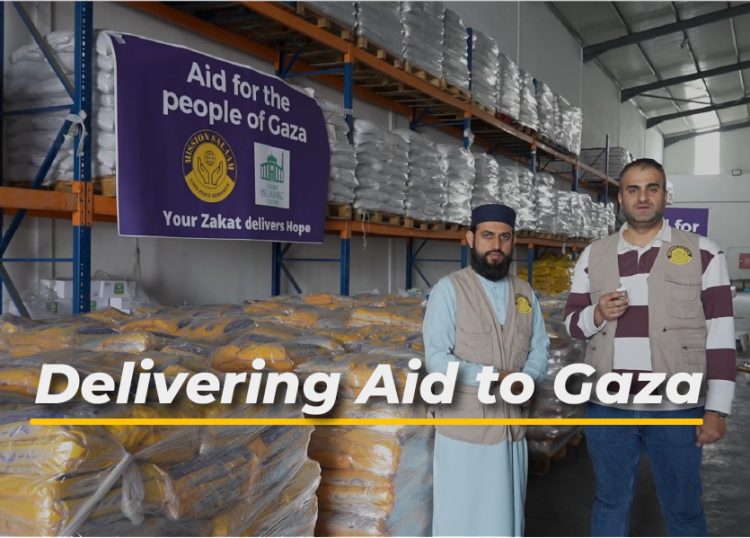
We'd like to keep you updated about our projects and fundraising activities. Please confirm if you are happy for Mission Salaam to contact you via:

*I would like Mission Salaam to treat all donations I have made in the past, this donation and all my future donations until I notify otherwise as Gift Aid donations. I am a UK taxpayer and understand that if I pay less Income Tax and/or Capital Gains Tax that the amount of Gift Aid claimed on all my donations I that tax year it is my responsibility to pay any difference. Please inform Mission Salaam if you want to cancel the declaration, change your name or address or no longer pay sufficient tax. The Gift Aid amount claimed will be used towards fundraising/administrative costs as well as our Where Most Needed fund to save and transform more lives.