113 CHESTER AVENUE LUTON LU4 9SQ
020 4509 9247
info@missionsalaam.uk
1199236

Eid al-Adha is not only a day of celebration. It is a day of worship, sacrifice, gratitude, and remembrance of Allah. Preparation for Eid begins before the day itself, especially during the blessed days of Dhul Hijjah.
Allah says regarding Qurbani:
“Neither their meat nor blood reaches Allah. Rather, it is your piety that reaches Him. This is how He has subjected them to you so that you may proclaim the greatness of Allah for what He has guided you to, and give good news to the good-doers.”
(Qur’an 22:37)
This verse reminds Muslims that the purpose of Eid al-Adha is not only the outward act of sacrifice. It is sincerity, remembrance, obedience, and gratitude to Allah.
Preparing properly for Eid helps connect the day back to worship rather than routine celebration alone.
Preparation for Eid begins during the first ten days of Dhul Hijjah. These are days of increased worship, remembrance, du’a, charity, and reflection.
One of the most important acts during this period for those not performing Hajj is fasting on the Day of Arafah. The Prophet ﷺ was asked about fasting on the Day of Arafah and said:
“It expiates the sins of the preceding year and the coming year.”
(Sahih Muslim 1162b)
These days are also strongly connected to dhikr and Takbir. Many Muslims increase in remembrance of Allah throughout Dhul Hijjah, especially from the Day of Arafah through the Days of Tashreeq.
For those intending to offer Qurbani, there is also guidance connected to hair and nails during this period. The Prophet ﷺ said:
“When the first ten days of Dhul-Hijjah begin, and one of you intends to offer a sacrifice, let him not remove anything from his hair or nails until he has offered his sacrifice.”
(Sahih Muslim 1977g)
Scholars differ slightly on whether this is obligatory or strongly recommended, but many Muslims follow this guidance as part of preparing spiritually for Qurbani and Eid al-Adha.
One of the most important practical preparations for Eid al-Adha is arranging Qurbani before Eid.
UK Islamic charity guidance commonly explains that Qurbani should be organised early so it can be carried out properly after the Eid prayer and distributed to those in need.
The Prophet ﷺ said:
“The first thing we will do on this day of ours, is to offer the (‘Id) prayer and then return to slaughter the sacrifice.”
(Sahih al-Bukhari 5545)
This hadith establishes the correct order of Eid al-Adha:
A sacrifice performed before the Eid prayer does not count as the Eid sacrifice itself according to the Sunnah.
Preparing early also helps ensure that the sacrifice reaches vulnerable families properly. Many UK Islamic organisations emphasise that Qurbani is not only about the sacrifice itself, but also about feeding and supporting those in need.
Eid morning preparation should be calm and intentional. Islamic guidance commonly recommends:
Many of these practices come through the guidance of scholars and the practice of the companions regarding Eid etiquette and communal worship.
The purpose is not appearance alone. Eid begins with cleanliness, preparation, and approaching the prayer in a respectful and grateful manner.
It is also beneficial to prepare the family early and avoid turning the morning into stress and rushing before the prayer.
The Eid prayer is one of the central acts of Eid al-Adha. It gathers the Muslim community together in worship before the day continues with sacrifice, visits, and celebration.
The Prophet ﷺ placed strong emphasis on attending the Eid gathering. It is narrated:
“The Messenger of Allah ﷺ commanded us to bring out on ‘Id-ul-Fitr and ‘Id-ul-Adha young women, menstruating women and screened away ladies. The menstruating women were to keep away from the prayer, witnessing the goodness and the supplication of the Muslims.”
(Sahih Muslim 890c)
This shows the importance of the Eid gathering itself. Even those not praying were encouraged to attend and witness the gathering of the Muslims.
The khutbah after the prayer is also part of the Eid gathering and should not be rushed away from unnecessarily.
Another often-forgotten Sunnah is returning home through a different route where possible. It is narrated:
“On the Day of ‘Id the Prophet ﷺ used to return (after offering the ‘Id prayer) through a way different from that by which he went.”
(Sahih al-Bukhari 986)
Even small Sunnahs like this help preserve the spirit and practice of Eid.
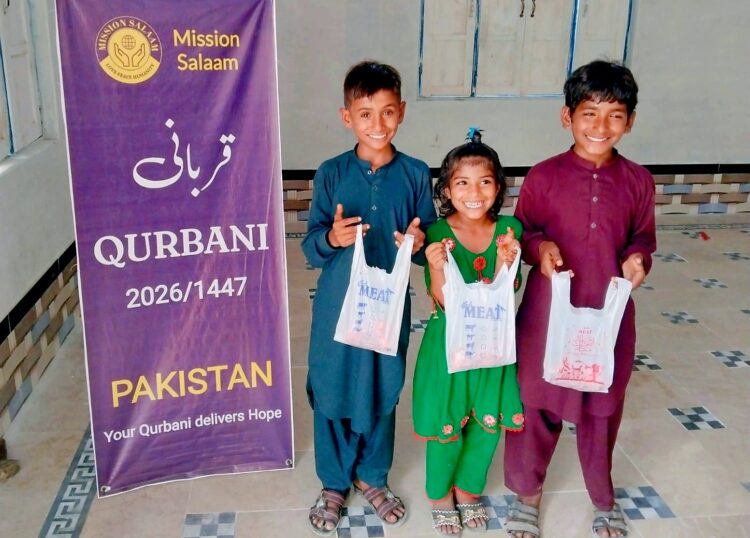
Eid al-Adha is closely connected to feeding others and remembering those facing hardship. Qurbani is not meant to remain a private act. Its benefit should reach others.
The Prophet ﷺ said regarding the sacrifice meat:
“…eat, preserve and give in charity.”
(Sahih Muslim)
This reflects the communal nature of Eid al-Adha.
Many UK Islamic charities explain that Qurbani distribution supports:
For many families around the world, Eid may be the only time in the year they are able to eat meat.
Preparing for Eid therefore also means preparing to give, share, and include others in the blessings of the day.
A few common mistakes can weaken the purpose and preparation of Eid:
Most of these mistakes are avoidable with early preparation and understanding the purpose of Eid al-Adha properly.
Preparing for Eid al-Adha means preparing both outwardly and inwardly.
It includes worship during Dhul Hijjah, arranging Qurbani correctly, attending the Eid prayer, remembering Allah, and caring for others.
The best preparation is not only about organising the day itself. It is about entering Eid with gratitude, sincerity, obedience, and concern for those who are struggling.
Together, we can create a world where the message of love from Islam resonates in every heart, transcending barriers and building a harmonious global community.
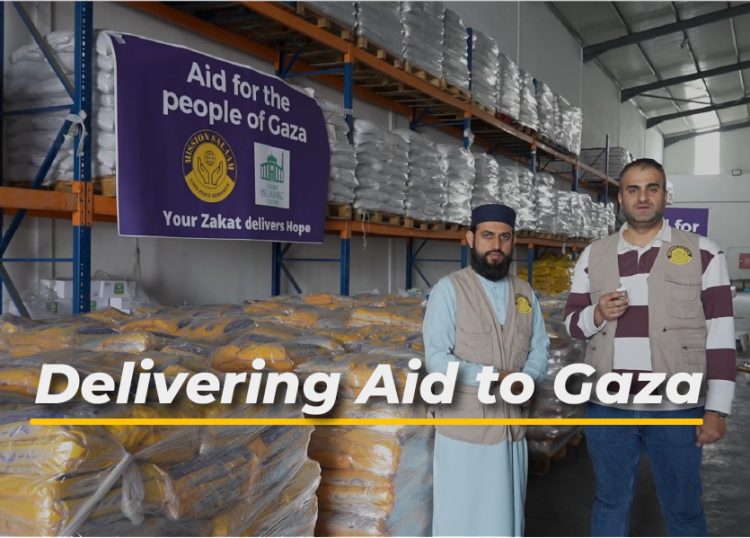
While a ceasefire has been declared, the dire conditions continue, and we thus urge our donors to continue their generous support. This aid is not only critical for immediate survival.
DONATE ➜
You can restore a masjid in Africa with much needed works so that it can be prayed in safely once again.
DONATE ➜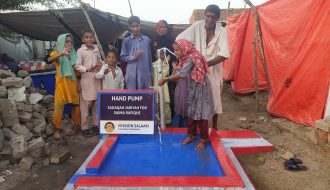
We have delivered over 50 Handpumps in just the last 2 months and have reported back to our donors
DONATE ➜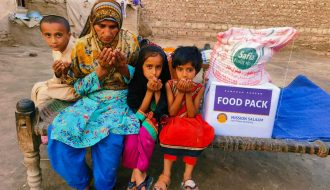
Our "Feed the Hungry" initiative aims to provide essential sustenance and nourishment to vulnerable communities facing food insecurity.
DONATE ➜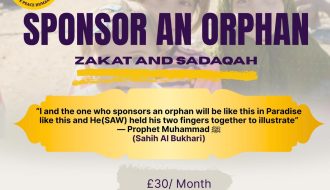
At Mission Salaam, we believe every child deserves a chance to live with dignity, hope, and opportunity.
DONATE ➜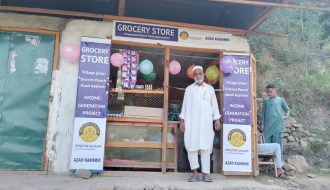
Business startup funds for needy people are designed to provide accessible capital, mentorship, and resources to help underprivileged entrepreneurs launch sustainable ventures.
DONATE ➜
There are thousands of widows who need a home for themselves to save them from being abused
DONATE ➜
Your contribution directly supports the students of Islam to spread the beautiful teachings of Islam globally.
DONATE ➜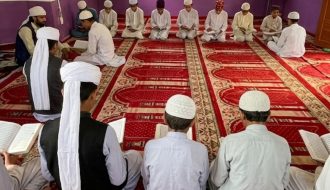
The Prophet (PBUH) said: “Whoever recites the Qur’an and learns it and acts according to it will be given a crown of light to wear on the Day of Judgement.”
DONATE ➜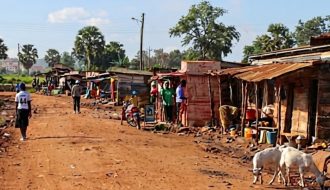
In Uganda, female-headed households experience higher rates of multidimensional poverty (49%) compared to male-headed households (39%).
DONATE ➜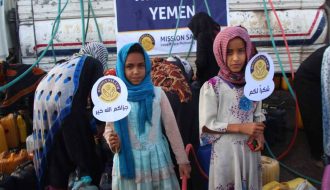
More than 11 million children are in need of one or more forms of humanitarian assistance says Unicef.
DONATE ➜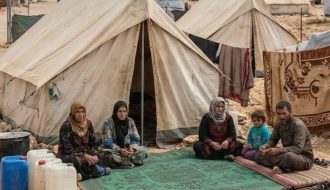
Help refugees from Gaza who are freezing and hungry right now, awaiting your aid.
DONATE ➜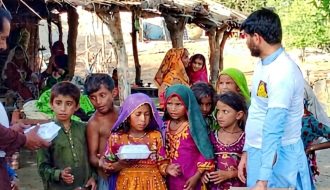
Hundreds killed as floods ravage north Pakistan. Your donation can save a family from this horrible situation.
DONATE ➜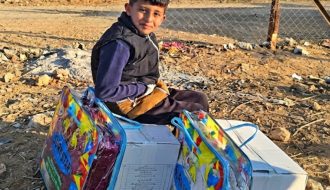
Pakistan is highly susceptible to climate change impacts, including harsh winters that disproportionately affect marginalized communities.
DONATE ➜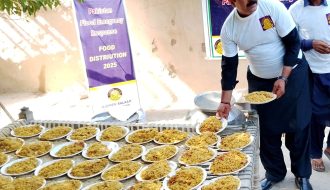
Simply providing nutritious hot cooked meals (£10 for 25 meals), helps to fill stomachs, warm hearts, and relieve pressure on families, and it sows the seeds of hope.
DONATE ➜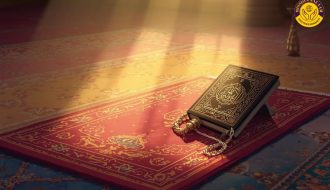
By providing a new Muslim with the tools to practice their faith, you are helping preserve the Ummah in Africa.
DONATE ➜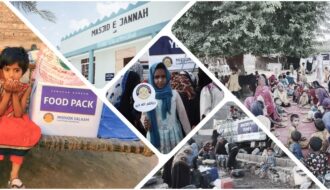
Set up a small weekly Sadaqah and it will be given every Friday — the most blessed day of the week — even when life is busy. From £2 a week, your consistency helps Mission Salaam keep serving families in need.
DONATE ➜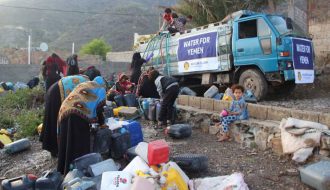
Your £5 or £10 Direct Debit can do miracles and does not bother your finances
DONATE ➜Blogs
We'd like to keep you updated about our projects and fundraising activities. Please confirm if you are happy for Mission Salaam to contact you via:

*I would like Mission Salaam to treat all donations I have made in the past, this donation and all my future donations until I notify otherwise as Gift Aid donations. I am a UK taxpayer and understand that if I pay less Income Tax and/or Capital Gains Tax that the amount of Gift Aid claimed on all my donations I that tax year it is my responsibility to pay any difference. Please inform Mission Salaam if you want to cancel the declaration, change your name or address or no longer pay sufficient tax. The Gift Aid amount claimed will be used towards fundraising/administrative costs as well as our Where Most Needed fund to save and transform more lives.