Yes. A Muslim may give voluntary charity and intend its reward for another person. The clearest direct evidence concerns someone who has died. Giving for a living person is also permitted in widely followed Sunni fiqh, although the route and explanation deserve a little care.
The charity still begins with worship: you give from lawful wealth for Allah’s sake. Your intention then includes the person you hope will benefit.
1. The clearest Prophetic evidence: charity for the deceased
A man asked the Prophet Muhammad ﷺ about his mother, who had died suddenly. He believed that she would have given charity if she had been able to speak. He asked whether she would receive reward if he gave on her behalf. The Prophet ﷺ answered yes.
(Sahih al-Bukhari 1388; Sahih Muslim 1004a)
This is firm evidence that charity can benefit a deceased person. It is not limited to parents, and it does not require the deceased to have left a will. The donor is giving from their own money and asking Allah to convey the reward.
The report also concerns Sadaqah generally. The donation could meet an immediate need, such as food or emergency assistance, or it could establish a benefit intended to continue.
2. What about giving for someone who is alive?
There are several simple ways to avoid confusion. You may give from your own money and ask Allah to grant the reward to the person. You may give them the money as a gift so they can donate it. Or, if they ask you to act for them, you may make the donation as their agent.
The last two options are especially clear when the person wants the charity to be counted as their own act. They also make ownership clear. This matters if a receipt, Gift Aid claim or project dedication is involved.
The Bukhari and Muslim narration concerns the deceased, so it should not be quoted as though it directly describes a living person. For the living, scholars discuss gifting the reward of voluntary deeds.
Egypt’s Dar al-Ifta permits a person to donate the reward of voluntary charity to living parents. It also explains two especially clear arrangements: give the money to the person as a gift so that they donate it themselves, or let them appoint you to give it on their behalf.
This may be a meaningful gift after a recovery, wedding, birth, graduation or another important occasion. It should not replace a person’s own obligatory Zakat, debts or financial responsibilities. Sadaqah is voluntary; obligations remain separate.
3. Intention, ownership and consent
No special sentence has to be spoken. Intention is an act of the heart. You may simply intend: “O Allah, accept this from me and grant its reward to [name].”
When you give from your own money, you do not need the person’s permission merely to make du’a that they receive reward. If you are using their money, however, you need their authority while they are alive or a lawful basis for dealing with their estate after death.
Keep the act sincere. A public dedication, plaque or certificate may be a useful record or a comfort to the family, but it is not what makes the charity valid. Avoid using the donation to seek praise or to place the recipient’s family under an emotional obligation.
4. What kind of Sadaqah can you give?
Think first about what would suit the occasion. A meal or emergency donation gives immediate help. A water system, useful learning resource or well-run masjid project may continue helping people. A monthly gift can support regular care, although a recurring payment is not automatically Sadaqah Jariyah.
If the gift is for someone who has died, the family may value a project update. Still, a certificate is not proof that the charity is ongoing or accepted. The real questions are whether people benefit, whether the work is maintained and whether the donation was given sincerely.
The best choice depends on the need and the purpose of the gift.
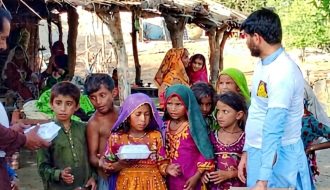
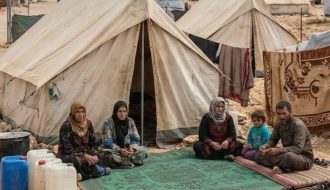
- An immediate charity may provide food, medicine, shelter or emergency support.
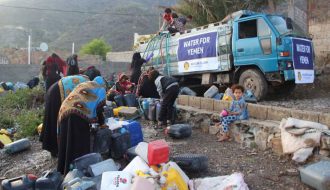
- A continuing charity may fund a reliable water source, useful educational material or another benefit that remains in use.
- A recurring donation may support stable care over several months.
- A local gift may help a relative, neighbour or community service, while an overseas gift may respond to greater hardship.
Sahih Muslim records that when a person dies, their deeds end except for three: recurring charity, beneficial knowledge and a righteous child who prays for them.
(Sahih Muslim 1631)
This explains why many families choose Sadaqah Jariyah for someone who has passed away. It does not make ordinary, one-time Sadaqah less valuable.
5. A simple way to do it
Choose a lawful cause, check that the organisation can deliver what it promises and make your intention before or while giving. If the person is deceased, include a private du’a for their forgiveness and mercy. If they are alive, you may tell them, keep it private or arrange for them to make the donation themselves.
The essential act is simple: give sincerely for Allah, direct the benefit responsibly and ask Him to grant the reward to the person you have in mind.