113 CHESTER AVENUE LUTON LU4 9SQ
020 4509 9247
info@missionsalaam.uk
1199236


Many people intend to give charity but find themselves waiting for the “right” time.
Some hope to donate when their income increases. Others wait until life becomes less busy, until they have paid off expenses, or until a blessed season such as Ramadan or Dhul Hijjah arrives.
While these intentions are often sincere, delaying charity can become a habit. The perfect moment may never come, and opportunities to do good quietly pass by.
Islam encourages believers to act upon good intentions while they are able. Rather than waiting for ideal circumstances, Muslims are encouraged to give what they can, when they can, and to make generosity part of their everyday lives.
Most people do not delay charity because they dislike giving. More often, they believe that a better opportunity will come later. Common reasons include:
The Qur’an addresses one of the greatest reasons people hesitate to give: the fear of becoming poorer. Allah says:
“The Devil threatens you with ˹the prospect of˺ poverty and bids you to the shameful deed ˹of stinginess˺, while Allah promises you forgiveness and ˹great˺ bounties from Him. And Allah is All-Bountiful, All-Knowing.”
(Qur’an 2:268)
This verse does not mean a Muslim should ignore financial responsibilities or give beyond their means. Rather, it warns against allowing fear of poverty to prevent acts of generosity that are within one’s ability.
The Prophet ﷺ also encouraged believers not to underestimate even the smallest opportunity to give. He said:
“Save yourself from Hell-fire even by giving half a date-fruit in charity.”
(Sahih al-Bukhari 1417)
The lesson is clear: a small act of charity today is often better than a much larger donation that never materialises because it is continually postponed.
One of the recurring themes throughout the Sunnah is that Allah loves consistency in worship. The Prophet ﷺ was asked:
“What deeds are loved most by Allah?” He said, “The most regular constant deeds even though they may be few.” He added, “Don’t take upon yourselves except the deeds which are within your ability.”
(Sahih al-Bukhari 6465)
Although this hadith speaks about righteous deeds generally, scholars have long understood that its principle applies across acts of worship, including charity.
Rather than relying on occasional enthusiasm, Islam encourages believers to develop habits that can be maintained throughout life.
This is one reason many Muslim charities encourage regular monthly Sadaqah. A manageable amount that continues year after year often reflects the Prophetic emphasis on consistency more closely than generous intentions that are difficult to sustain.
Regular giving benefits everyone involved.
For the giver, it develops generosity into a habit rather than an occasional emotional response. It also helps reduce attachment to wealth by reminding believers that everything they possess ultimately belongs to Allah.
For those receiving assistance, consistent support often provides greater stability than occasional donations. Families facing poverty need food, healthcare, education, and clean water throughout the year — not only during Ramadan or other peak fundraising seasons.
For charities, predictable monthly donations make it easier to plan long-term programmes, maintain existing services, employ staff, and respond quickly when emergencies arise.
The Qur’an praises those whose generosity becomes a regular characteristic of their lives. Allah says:
“Those who spend their wealth in charity day and night, secretly and openly — their reward is with their Lord, and there will be no fear for them, nor will they grieve.”
(Qur’an 2:274)
The verse portrays generosity as an ongoing pattern rather than an occasional event. It encourages believers to continue giving whenever opportunities arise, whether publicly or privately, during different times and circumstances.
Building consistency does not require large amounts. In fact, the Prophet ﷺ advised believers not to burden themselves with commitments beyond their ability.
A practical approach may include:
Many charities now offer scheduled giving through direct debit or standing orders. While these methods are modern, they simply provide a practical way to apply the timeless Prophetic principle of consistency.
The objective is not to give the largest amount possible once, but to establish a habit that continues for years.
There may never be a perfect moment to give.
Income changes. Expenses arise. Life becomes busy. If generosity is always postponed until circumstances feel ideal, many opportunities to benefit others may pass by.
The Qur’an reminds believers not to allow fear of poverty to prevent generosity, while the Prophet ﷺ encouraged charity even if all a person can offer is half a date and taught that the deeds most beloved to Allah are those performed consistently, even when they are few.
A small donation given regularly may appear modest on its own, but over months and years it becomes something much greater: a habit of generosity that benefits those in need, strengthens one’s relationship with Allah, and creates an impact that far exceeds what a person may have imagined when they first began.
Together, we can create a world where the message of love from Islam resonates in every heart, transcending barriers and building a harmonious global community.
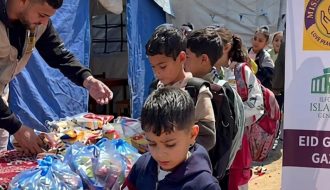
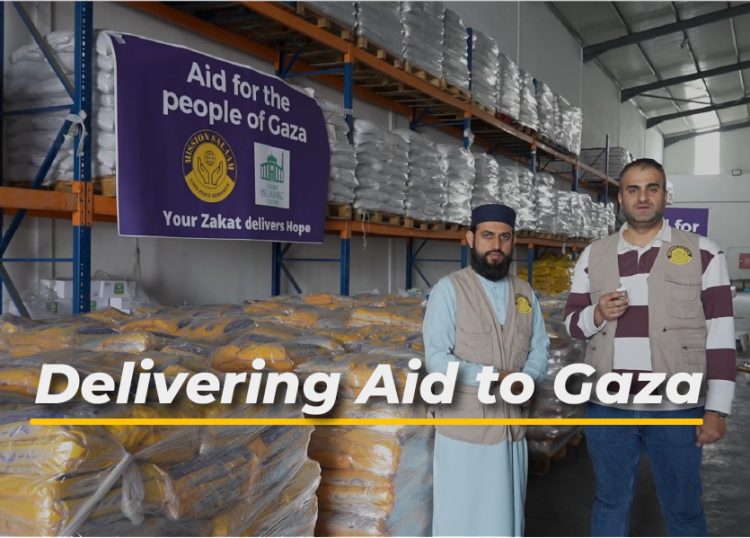
While a ceasefire has been declared, the dire conditions continue, and we thus urge our donors to continue their generous support. This aid is not only critical for immediate survival.
DONATE ➜
You can restore a masjid in Africa with much needed works so that it can be prayed in safely once again.
DONATE ➜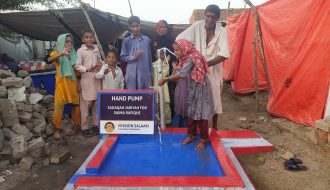
We have delivered over 50 Handpumps in just the last 2 months and have reported back to our donors
DONATE ➜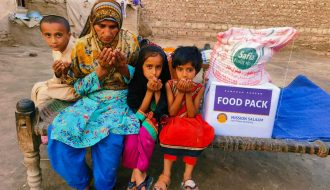
Our "Feed the Hungry" initiative aims to provide essential sustenance and nourishment to vulnerable communities facing food insecurity.
DONATE ➜
At Mission Salaam, we believe every child deserves a chance to live with dignity, hope, and opportunity.
DONATE ➜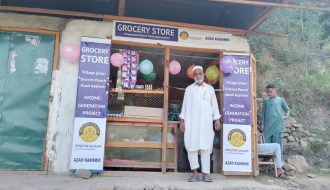
Business startup funds for needy people are designed to provide accessible capital, mentorship, and resources to help underprivileged entrepreneurs launch sustainable ventures.
DONATE ➜
There are thousands of widows who need a home for themselves to save them from being abused
DONATE ➜
Your contribution directly supports the students of Islam to spread the beautiful teachings of Islam globally.
DONATE ➜
The Prophet (PBUH) said: “Whoever recites the Qur’an and learns it and acts according to it will be given a crown of light to wear on the Day of Judgement.”
DONATE ➜
In Uganda, female-headed households experience higher rates of multidimensional poverty (49%) compared to male-headed households (39%).
DONATE ➜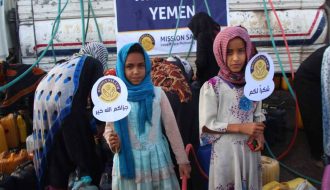
More than 11 million children are in need of one or more forms of humanitarian assistance says Unicef.
DONATE ➜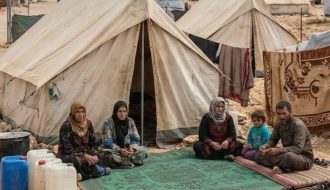
Help refugees from Gaza who are freezing and hungry right now, awaiting your aid.
DONATE ➜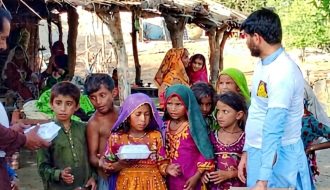
Hundreds killed as floods ravage north Pakistan. Your donation can save a family from this horrible situation.
DONATE ➜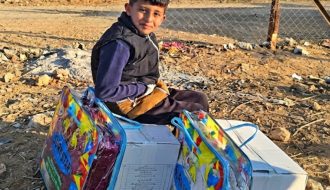
Pakistan is highly susceptible to climate change impacts, including harsh winters that disproportionately affect marginalized communities.
DONATE ➜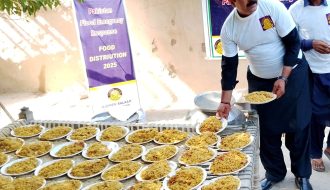
Simply providing nutritious hot cooked meals (£10 for 25 meals), helps to fill stomachs, warm hearts, and relieve pressure on families, and it sows the seeds of hope.
DONATE ➜
By providing a new Muslim with the tools to practice their faith, you are helping preserve the Ummah in Africa.
DONATE ➜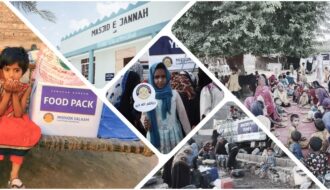
Set up a small weekly Sadaqah and it will be given every Friday — the most blessed day of the week — even when life is busy. From £2 a week, your consistency helps Mission Salaam keep serving families in need.
DONATE ➜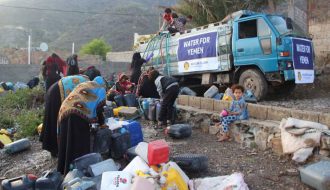
Your £5 or £10 Direct Debit can do miracles and does not bother your finances
DONATE ➜Blogs

We'd like to keep you updated about our projects and fundraising activities. Please confirm if you are happy for Mission Salaam to contact you via:

*I would like Mission Salaam to treat all donations I have made in the past, this donation and all my future donations until I notify otherwise as Gift Aid donations. I am a UK taxpayer and understand that if I pay less Income Tax and/or Capital Gains Tax that the amount of Gift Aid claimed on all my donations I that tax year it is my responsibility to pay any difference. Please inform Mission Salaam if you want to cancel the declaration, change your name or address or no longer pay sufficient tax. The Gift Aid amount claimed will be used towards fundraising/administrative costs as well as our Where Most Needed fund to save and transform more lives.