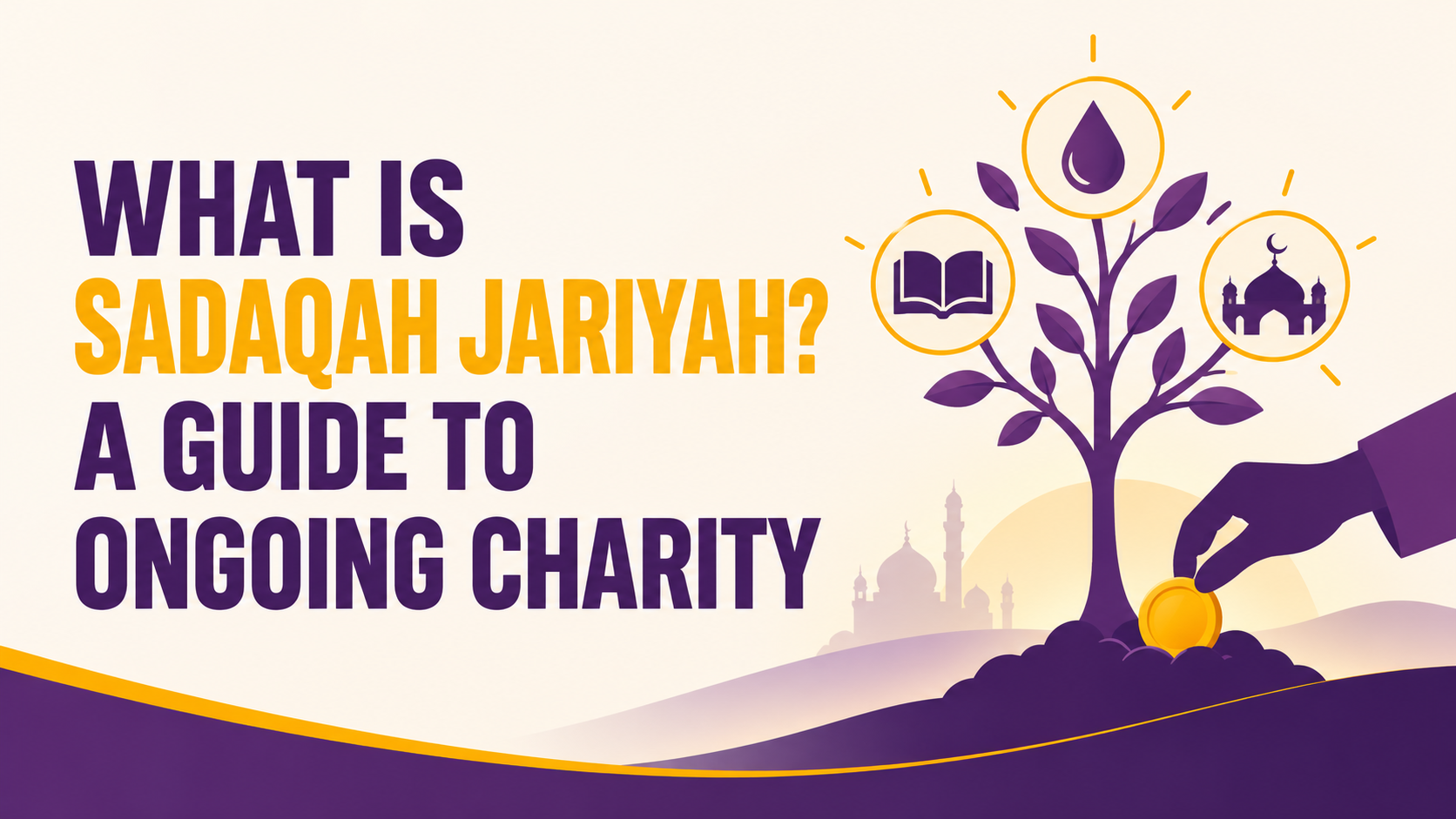
Sadaqah Jariyah is voluntary charity whose benefit continues beyond the first act of giving. A donor provides something once, or contributes towards it, and people continue to use or benefit from it.
That continuing benefit is the essential idea. Sadaqah Jariyah is not defined by a high price, a physical plaque or the word “legacy” on an appeal page. A modest project that remains useful may be more genuinely ongoing than an expensive asset that is soon abandoned.
1. The hadith that defines ongoing benefit
The Prophet Muhammad ﷺ said:
“When a man dies, his acts come to an end, but three: recurring charity, or knowledge by which people benefit, or a pious child who prays for him.”
(Sahih Muslim 1631)
This hadith explains why Muslims care about leaving benefits that outlive them. Death ends a person’s opportunity to begin new deeds, yet the benefit of certain earlier actions can continue.
The three examples should also be kept distinct. A righteous child’s du’a is not a financial project. Beneficial knowledge is not limited to books. Recurring charity covers charitable benefit that continues.
2. Sadaqah and Sadaqah Jariyah: the practical difference
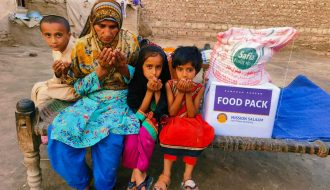
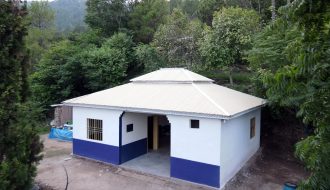
A hot meal usually benefits someone at that meal. It is valuable immediate Sadaqah. A reliable water point may be used every day for years, making it a potential Sadaqah Jariyah. Emergency shelter may meet a temporary crisis, while a safely built home may provide continuing protection.
Neither category should be dismissed. Immediate relief can save life and dignity. Ongoing charity can reduce repeated hardship. The situation determines which is needed.
A recurring bank payment is also not automatically Sadaqah Jariyah. Frequency describes how the donor pays; Sadaqah Jariyah describes how the benefit continues. A monthly gift may fund immediate meals, an ongoing service or a long-term asset.
3. Examples of continuing charity
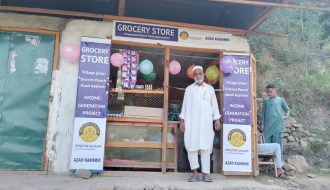
A project does not need to be a building. Training that allows a person to earn, equipment used by many patients or a carefully checked learning resource may all create repeated benefit. The form can change while the main principle stays the same.
Price does not decide whether something is Sadaqah Jariyah. A low-cost repair that keeps a village pump working may continue helping people. An expensive structure that remains unused may not. Donors should look beyond the size of the appeal.
Possible forms include:
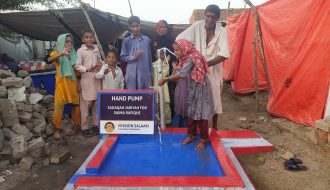
- A well, hand pump, filtration unit or other maintained water system.
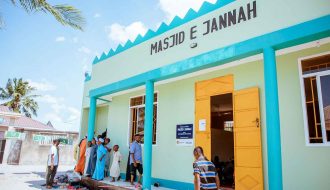
- A needed masjid or the repair of one so it remains safe for worship.
- Useful learning resources, scholarships or facilities through which beneficial knowledge is taught.
- Medical equipment or a clinic asset that serves patients repeatedly.
- A livelihood asset that allows a family to earn over time.
- A productive tree or agricultural resource that continues yielding benefit.
These are applications of the general principle. Their status depends on what happens in practice. A water system that becomes unsafe, an educational resource containing errors or a facility that is inaccessible cannot be defended simply by its label.
4. What makes a project genuinely ongoing?
Ask what happens after the opening photograph. Who holds the keys? Who pays for repairs? Who checks the water or updates the teaching material? Who can use the service, and what happens when equipment reaches the end of its life?
Good answers show that the charity has planned for continued use. They cannot guarantee reward, because acceptance belongs to Allah, but they can show that the project has a reasonable path to lasting benefit.
Four questions matter.
Is there a verified need? A project should respond to a community’s circumstances rather than a donor’s preferred symbol.
Will people keep benefiting? Ask how the asset or service will be used and for how long it is reasonably expected to operate.
Who is responsible after delivery? Wells need testing and repair. Buildings need utilities and maintenance. Educational projects need suitable teachers and safeguarding.
Will the charity report honestly? Understand the expected timescale, evidence of completion and what happens if delivery becomes impossible.
Ongoing does not mean everlasting. A project may qualify while its benefit continues, even though every physical asset will eventually need replacement.
5. Can Sadaqah Jariyah be given for someone else?
Yes. The clearest direct evidence concerns the deceased. A man asked whether his mother would receive reward if he gave charity on her behalf, and the Prophet ﷺ answered yes.
(Sahih al-Bukhari 1388; Sahih Muslim 1004a)
Sa’d ibn ‘Ubadah was also told that water was the best charity in his situation, so he dug a well for his deceased mother.
(Sunan Abi Dawud 1681)
You may therefore give an ongoing charity for yourself or intend its reward for someone who has died. Widely followed Sunni scholarship also permits gifting the reward of voluntary charity to a living person.
6. How to choose a responsible project
Start with the benefit, not the label. Compare urgency, maintenance, local ownership and the charity’s evidence. Keep your intention for Allah and do not assume that naming rights increase the reward.
Mission Salaam currently offers safe-water, masjid and income-generation projects that may create continuing benefit when delivered and maintained as described. Other UK charities, including Muslim Hands and Human Appeal, also publish ongoing-charity portfolios. Comparing their project details can help a donor ask better questions rather than choosing on emotion alone.
Sadaqah Jariyah is a long view of generosity. Its promise is not that a donation looks permanent, but that a real benefit continues reaching people after the giver has stepped away.