113 CHESTER AVENUE LUTON LU4 9SQ
020 4509 9247
info@missionsalaam.uk
1199236

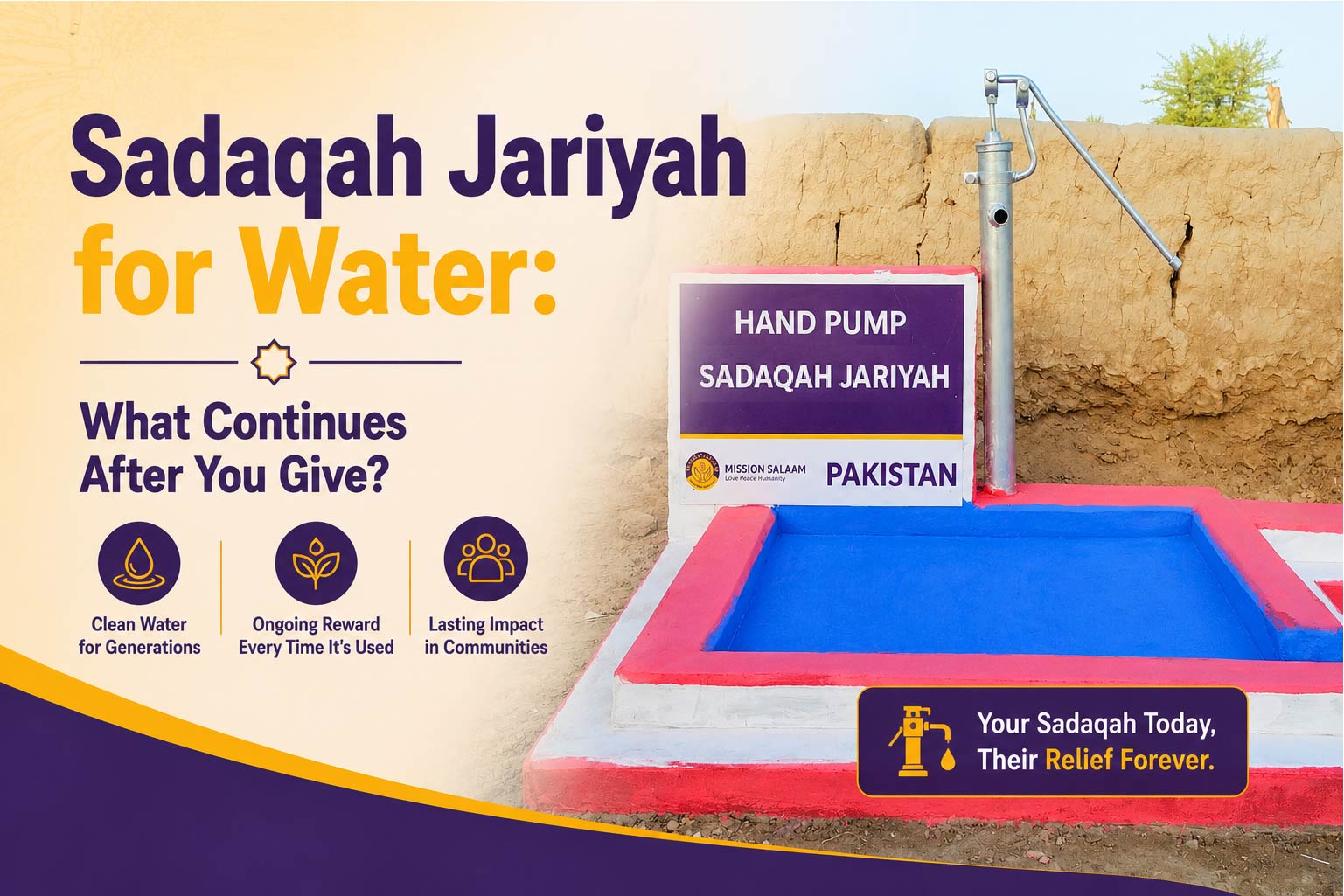
Many Muslims hope to leave behind something that continues benefiting others after their own lifetime. In Islam, this is known as Sadaqah Jariyah: an act of charity whose benefit continues beyond the initial gift.
Providing access to clean water is widely recognised as one of its clearest applications. A hand pump, well, borehole, filtration system, or community water point may continue serving families long after the original donation has been made.
Unlike a single supply of bottled water, a lasting water source can be used repeatedly. People may drink from it, prepare meals, maintain hygiene, care for livestock, support crops, or provide water within schools and community facilities.
The continuing benefit is what gives a water project the potential to become Sadaqah Jariyah.
The basis of Sadaqah Jariyah comes from the following hadith:
“When a man dies, his acts come to an end, but three, recurring charity, or knowledge (by which people) benefit, or a pious child, who prays for him (for the deceased).”
(Sahih Muslim 1631)
This hadith establishes that certain deeds may continue bringing reward after a person’s death. One of these is recurring or ongoing charity.
Ordinary Sadaqah may provide an immediate benefit. It may feed someone for a day, provide temporary shelter, or meet an urgent need. These are valuable acts of charity, even when their direct benefit is short-term.
Sadaqah Jariyah differs because the benefit continues. A person gives once, but others may continue benefiting from what was provided.
The distinction therefore depends less on the name of the project and more on the nature of its benefit. A water bottle is normally a one-time charity. A functioning well that is used repeatedly may become an ongoing charity.
The project does not have to last forever. Its ongoing nature comes from continuing beyond the initial donation and serving people repeatedly for as long as it remains beneficial.
Providing water carries a specific virtue in the Sunnah. Sa’d ibn ‘Ubadah رضي الله عنه asked the Prophet ﷺ about charity after the death of his mother:
“Sa’d asked: Messenger of Allah, Umm Sa’d has died; what form of sadaqah is best? He replied: Water (is best). He dug a well and said: It is for Umm Sa’d.”
(Sunan Abi Dawud 1681)
This hadith brings together several important ideas.
First, it directly identifies water as a highly valuable form of charity.
Second, Sa’d رضي الله عنه responded by digging a well. He did not provide water for one occasion alone. He established a source from which people could continue drinking.
Third, the well was established on behalf of his deceased mother. This shows that charity may be given on behalf of someone who has died, with the hope that its reward reaches them.
Water is especially suited to ongoing charity because it is needed every day. A reliable water source can support:
The exact impact depends on the project. A household hand pump may serve a small number of families, while a deeper community well or borehole may support a village, school, or wider area.
What makes the charity ongoing is not simply that water was funded. It is that people continue receiving a real benefit from the source that was established.
The hadith in Sahih Muslim connects continuing reward to continuing benefit.
When people continue drawing water from a well, using a pump, or relying on a functioning water system, the donor may hope that the reward also continues by Allah’s permission.
This should be expressed with care. No person or charity can guarantee the exact reward of a deed. Allah alone knows the donor’s sincerity, the full effect of the project, and the reward granted for it.
It is therefore more accurate to say that a donor hopes for ongoing reward while the project continues benefiting others.
If a pump later breaks or a well becomes unusable, the benefit already provided still mattered, and the reward already earned is not treated as lost. However, the ongoing nature of the charity depends upon the benefit continuing.
This is why maintenance matters. A project designed to last, monitored properly, and repaired when needed has greater potential to continue serving people than one installed without a long-term plan.
A water project should not be selected only because it is described as Sadaqah Jariyah. Its practical quality determines whether the promised benefit is likely to continue. Before giving, it is worth considering several questions.
A meaningful project should be installed where people lack safe and reliable water. Proper assessment helps prevent unnecessary duplication and ensures that resources reach communities with real need.
Different communities require different solutions. A shallow hand pump may work in one location but fail in another because of the water table, geology, climate, or seasonal conditions.
Depending on the area, a suitable project may involve:
Access alone is not enough. The water should be tested and suitable for its intended use. A responsible organisation should account for water quality as well as availability.
Pumps, boreholes, filters, storage systems, and solar equipment may eventually need inspection, replacement parts, cleaning, or repairs.
A project is more likely to continue benefiting people when the local community understands how it works and there is a clear plan for maintenance.
A trustworthy provider should be able to explain:
These details matter because the aim is not simply to fund construction. It is to establish a source of water that remains useful.
The narration of Sa’d ibn ‘Ubadah رضي الله عنه also shows that a water project may be established on behalf of someone who has died. A person may therefore donate a well or another lasting water source:
The intention should remain for Allah. A nameplate, certificate, or project photograph may provide information or reassurance, but these are not what create the reward.
The reward is sought through sincerity and the benefit given to others.
Sadaqah Jariyah is charity whose benefit continues beyond the initial act. Providing water is one of its clearest applications because people need water repeatedly and may continue using a well, pump, borehole, or water system for years.
The Prophet ﷺ identified water as a highly valuable form of charity, and Sa’d ibn ‘Ubadah رضي الله عنه responded by establishing a well on behalf of his deceased mother.
That example captures the purpose of this form of giving: one contribution can establish something from which people benefit again and again.
Only Allah knows the complete reward of any deed. But when a water project is sincerely given, properly designed, placed where it is needed, and maintained so that people continue benefiting, the donor may hope that the reward continues to flow with it.
Together, we can create a world where the message of love from Islam resonates in every heart, transcending barriers and building a harmonious global community.
Your contribution directly supports the students of Islam to spread the beautiful teachings of Islam globally.
DONATE ➜
While a ceasefire has been declared, the dire conditions continue, and we thus urge our donors to continue their generous support. This aid is not only critical for immediate survival.
DONATE ➜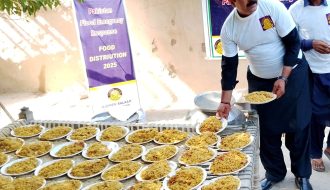
Simply providing nutritious hot cooked meals (£10 for 25 meals), helps to fill stomachs, warm hearts, and relieve pressure on families, and it sows the seeds of hope.
DONATE ➜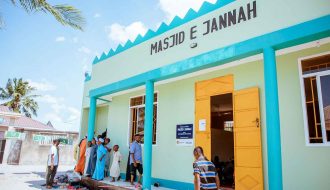
You can restore a masjid in Africa with much needed works so that it can be prayed in safely once again.
DONATE ➜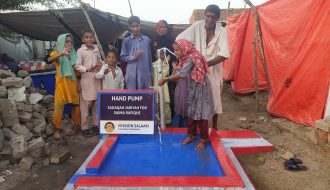
We have delivered over 50 Handpumps in just the last 2 months and have reported back to our donors
DONATE ➜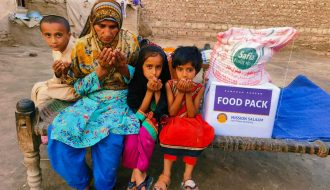
Our "Feed the Hungry" initiative aims to provide essential sustenance and nourishment to vulnerable communities facing food insecurity.
DONATE ➜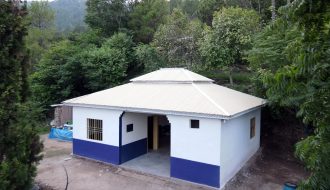
There are thousands of widows who need a home for themselves to save them from being abused
DONATE ➜
At Mission Salaam, we believe every child deserves a chance to live with dignity, hope, and opportunity.
DONATE ➜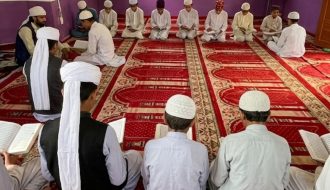
The Prophet (PBUH) said: “Whoever recites the Qur’an and learns it and acts according to it will be given a crown of light to wear on the Day of Judgement.”
DONATE ➜
By providing a new Muslim with the tools to practice their faith, you are helping preserve the Ummah in Africa.
DONATE ➜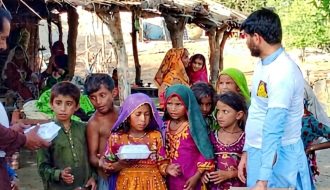
Hundreds killed as floods ravage north Pakistan. Your donation can save a family from this horrible situation.
DONATE ➜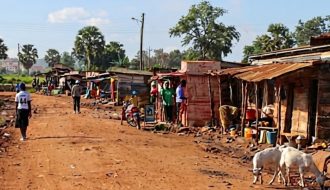
In Uganda, female-headed households experience higher rates of multidimensional poverty (49%) compared to male-headed households (39%).
DONATE ➜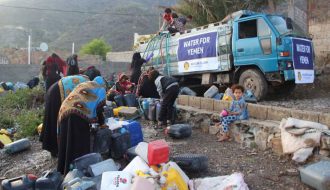
Your £5 or £10 Direct Debit can do miracles and does not bother your finances
DONATE ➜
More than 11 million children are in need of one or more forms of humanitarian assistance says Unicef.
DONATE ➜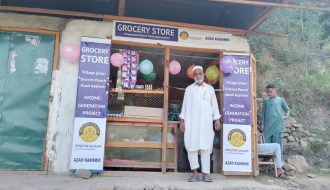
Business startup funds for needy people are designed to provide accessible capital, mentorship, and resources to help underprivileged entrepreneurs launch sustainable ventures.
DONATE ➜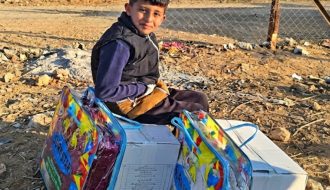
Pakistan is highly susceptible to climate change impacts, including harsh winters that disproportionately affect marginalized communities.
DONATE ➜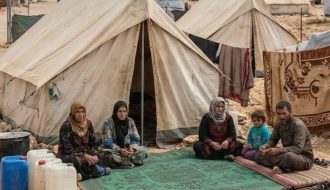
Help refugees from Gaza who are freezing and hungry right now, awaiting your aid.
DONATE ➜Blogs
We'd like to keep you updated about our projects and fundraising activities. Please confirm if you are happy for Mission Salaam to contact you via:

*I would like Mission Salaam to treat all donations I have made in the past, this donation and all my future donations until I notify otherwise as Gift Aid donations. I am a UK taxpayer and understand that if I pay less Income Tax and/or Capital Gains Tax that the amount of Gift Aid claimed on all my donations I that tax year it is my responsibility to pay any difference. Please inform Mission Salaam if you want to cancel the declaration, change your name or address or no longer pay sufficient tax. The Gift Aid amount claimed will be used towards fundraising/administrative costs as well as our Where Most Needed fund to save and transform more lives.