113 CHESTER AVENUE LUTON LU4 9SQ
020 4509 9247
info@missionsalaam.uk
1199236

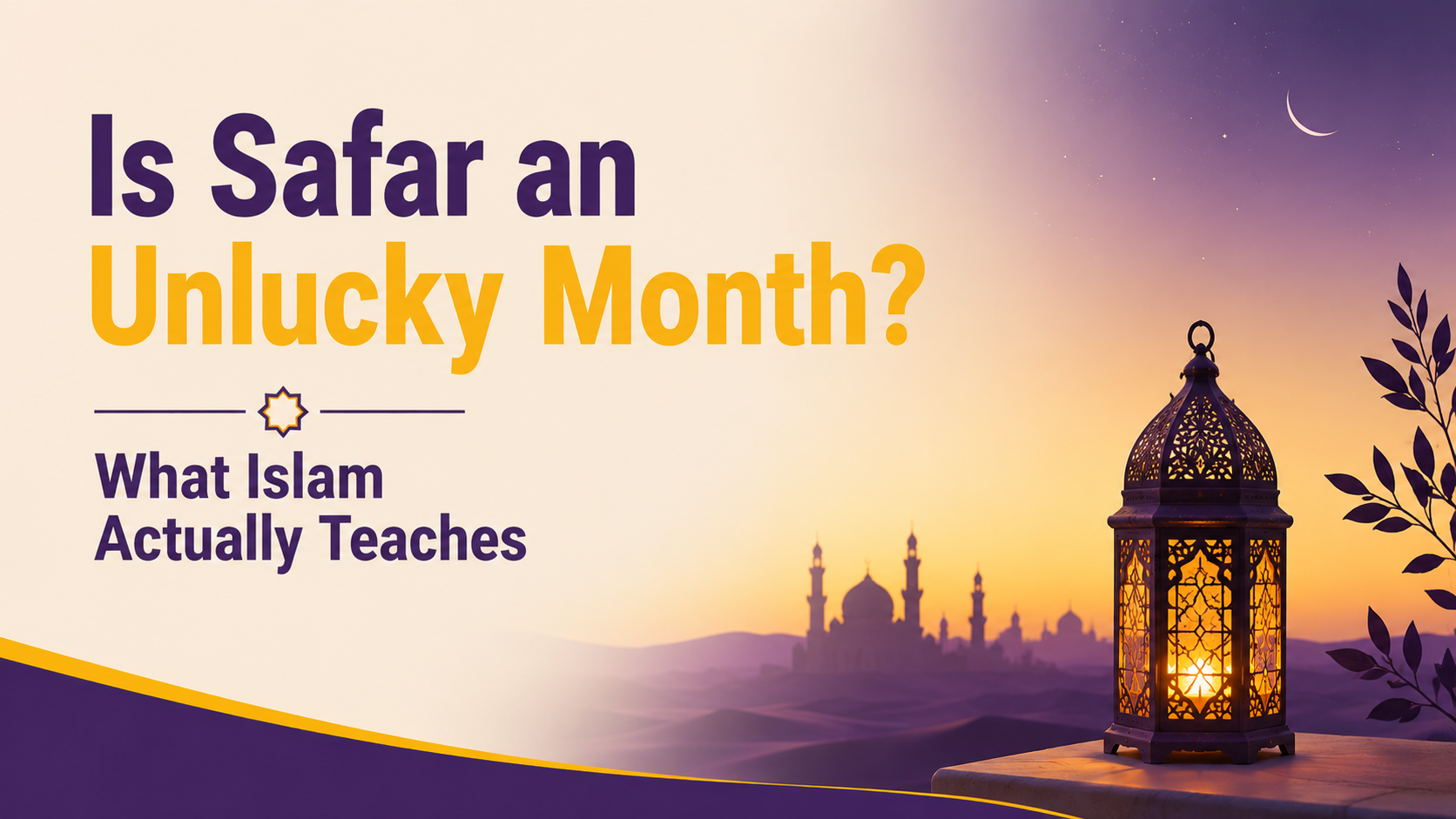
For generations, some Muslims have heard that Safar is an unlucky month. It is sometimes said that marriages should be postponed, journeys delayed, or major decisions avoided because misfortune is more likely to occur during this time.
These beliefs continue in some cultures today despite having no basis in authentic Islamic teachings. Islam does not teach that Safar carries bad luck or that it possesses any independent power to bring harm.
Instead, the Qur’an and Sunnah teach believers to place their trust in Allah alone and reject superstition. Understanding what Islam actually teaches about Safar helps distinguish authentic guidance from inherited cultural beliefs.
The belief that Safar is an unlucky month predates Islam. During the pre-Islamic period (Jahiliyyah), some Arabs associated Safar with hardship, misfortune, and bad omens. Over time, these ideas became deeply rooted in parts of society, leading people to avoid travel, delay marriages, or fear beginning important matters during the month.
Islam came to remove these superstitions rather than confirm them. The Prophet ﷺ corrected many beliefs that attributed independent power to objects, animals, times, or places. Safar was one of the superstitions that Islam addressed directly.
Although historians mention several explanations for how these beliefs developed, the important point is that they originated from pre-Islamic customs — not from the Qur’an or the Sunnah.
The clearest teaching about Safar comes from the Prophet ﷺ himself. He said:
“There is no ‘Adwa, nor Tiyara, nor Hama, nor Safar.”
(Sahih al-Bukhari 5757)
This hadith rejects several superstitious beliefs that were widespread before Islam. Classical scholars explained these terms as follows:
The Prophet ﷺ was not denying that illnesses spread through natural means or that causes exist. Rather, he was correcting the belief that these things possess independent power apart from Allah.
This understanding is supported by another authentic narration in which the Prophet ﷺ said:
“There is no ‘Adwa … nor is there any bad omen in the month of Safar, and one should run away from the leper as one runs away from a lion.”
(Sahih al-Bukhari 5707)
This teaches an important balance. Islam rejects superstition while still encouraging people to take reasonable precautions.
For this reason, there is no authentic Islamic basis for believing that one should:
Benefit and harm do not come from months or dates. They come only by the decree of Allah.
Rather than living by superstition, Islam teaches believers to live by tawakkul — placing complete trust in Allah while taking the appropriate means.
Allah says:
“If Allah touches you with harm, none can undo it except Him. And if He touches you with good, then He is over all things Competent.”
(Qur’an 6:17)
This verse reminds believers that no month, date, object, or omen has the ability to cause benefit or harm independently. Everything happens only by the permission and decree of Allah.
True tawakkul therefore means making decisions based on what is lawful, beneficial, and wise — not because of fear attached to a particular time.
Whether it is marriage, travel, beginning a new job, moving home, or starting a business, these decisions should be made through consultation, istikharah, planning, and trust in Allah — not through superstition.
Unlike Ramadan or the first ten days of Dhul Hijjah, there are no prescribed acts of worship that are unique to the month of Safar.
There is no authentic evidence for:
General acts of worship remain encouraged throughout the year, including the five daily prayers, Qur’an recitation, voluntary charity, dhikr, du’a, and established voluntary fasts such as Mondays and Thursdays or the White Days. These are rewarded because they are established acts of worship, not because they occur during Safar.
Islam also teaches believers not to introduce religious practices without evidence. The Prophet ﷺ said:
“Whoever innovates something in this matter of ours that is not part of it, will have it rejected.”
(Sahih al-Bukhari 2697)
This serves as an important principle: acts of worship should be based on authentic evidence from the Qur’an and Sunnah, not on inherited customs or cultural beliefs.
Safar is the second month of the Islamic calendar. It is neither a month of bad luck nor a month requiring special rituals.
The belief that Safar brings misfortune comes from pre-Islamic superstition, not from authentic Islamic teachings. The Prophet ﷺ corrected these beliefs and taught Muslims to place their trust in Allah alone.
Rather than fearing Safar, believers should approach it as they would any other month: performing their regular acts of worship, fulfilling their responsibilities, helping others, and relying upon Allah in every decision.
The lasting lesson of Safar is not to fear a month, but to strengthen one’s tawakkul. When a believer understands that all benefit and harm are in Allah’s hands alone, superstition gives way to certainty, and fear is replaced by trust in the One who controls all affairs.
Together, we can create a world where the message of love from Islam resonates in every heart, transcending barriers and building a harmonious global community.

Your contribution directly supports the students of Islam to spread the beautiful teachings of Islam globally.
DONATE ➜
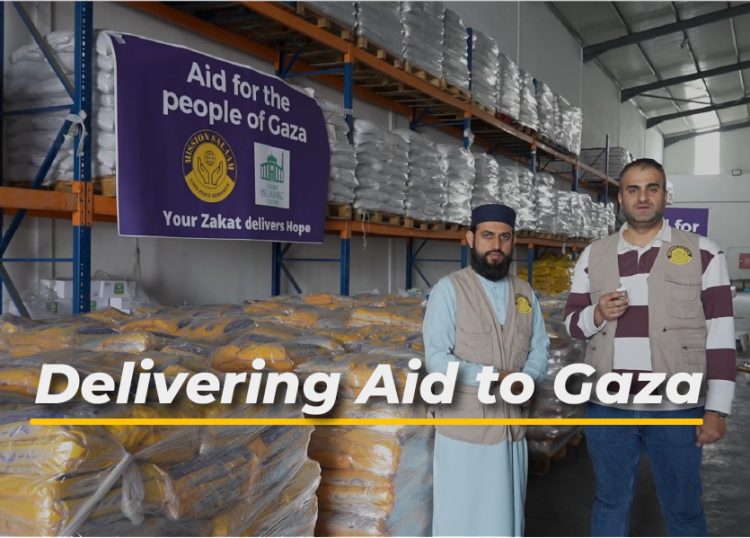
While a ceasefire has been declared, the dire conditions continue, and we thus urge our donors to continue their generous support. This aid is not only critical for immediate survival.
DONATE ➜
Simply providing nutritious hot cooked meals (£10 for 25 meals), helps to fill stomachs, warm hearts, and relieve pressure on families, and it sows the seeds of hope.
DONATE ➜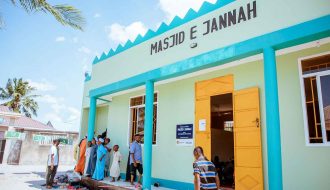
You can restore a masjid in Africa with much needed works so that it can be prayed in safely once again.
DONATE ➜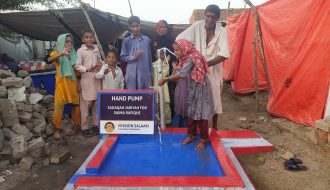
We have delivered over 50 Handpumps in just the last 2 months and have reported back to our donors
DONATE ➜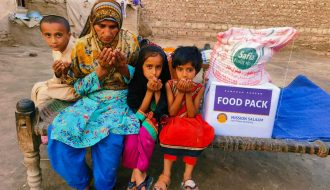
Our "Feed the Hungry" initiative aims to provide essential sustenance and nourishment to vulnerable communities facing food insecurity.
DONATE ➜
There are thousands of widows who need a home for themselves to save them from being abused
DONATE ➜
At Mission Salaam, we believe every child deserves a chance to live with dignity, hope, and opportunity.
DONATE ➜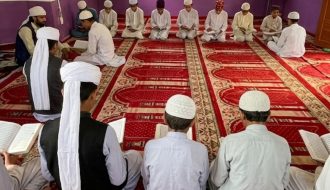
The Prophet (PBUH) said: “Whoever recites the Qur’an and learns it and acts according to it will be given a crown of light to wear on the Day of Judgement.”
DONATE ➜
By providing a new Muslim with the tools to practice their faith, you are helping preserve the Ummah in Africa.
DONATE ➜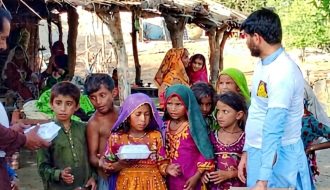
Hundreds killed as floods ravage north Pakistan. Your donation can save a family from this horrible situation.
DONATE ➜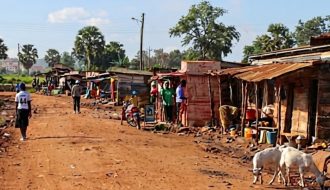
In Uganda, female-headed households experience higher rates of multidimensional poverty (49%) compared to male-headed households (39%).
DONATE ➜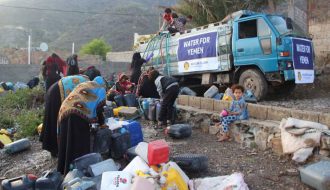
Your £5 or £10 Direct Debit can do miracles and does not bother your finances
DONATE ➜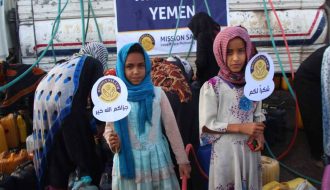
More than 11 million children are in need of one or more forms of humanitarian assistance says Unicef.
DONATE ➜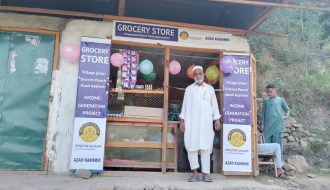
Business startup funds for needy people are designed to provide accessible capital, mentorship, and resources to help underprivileged entrepreneurs launch sustainable ventures.
DONATE ➜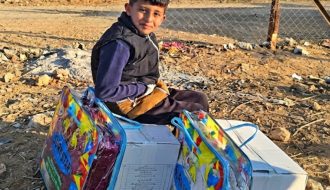
Pakistan is highly susceptible to climate change impacts, including harsh winters that disproportionately affect marginalized communities.
DONATE ➜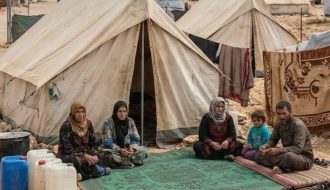
Help refugees from Gaza who are freezing and hungry right now, awaiting your aid.
DONATE ➜Blogs
We'd like to keep you updated about our projects and fundraising activities. Please confirm if you are happy for Mission Salaam to contact you via:

*I would like Mission Salaam to treat all donations I have made in the past, this donation and all my future donations until I notify otherwise as Gift Aid donations. I am a UK taxpayer and understand that if I pay less Income Tax and/or Capital Gains Tax that the amount of Gift Aid claimed on all my donations I that tax year it is my responsibility to pay any difference. Please inform Mission Salaam if you want to cancel the declaration, change your name or address or no longer pay sufficient tax. The Gift Aid amount claimed will be used towards fundraising/administrative costs as well as our Where Most Needed fund to save and transform more lives.