113 CHESTER AVENUE LUTON LU4 9SQ
020 4509 9247
info@missionsalaam.uk
1199236

Zakat is one of the core obligations in Islam. It is not just an act of charity. It is a structured, calculated duty tied directly to wealth.
Allah says in the Qur’an:
“Take, [O Muḥammad], from their wealth a charity by which you purify them and cause them increase, and invoke [Allah’s blessings] upon them. Indeed, your invocations are reassurance for them. And Allah is Hearing and Knowing.”
(Qur’an 9:103)
This verse sets the foundation:
The Prophet ﷺ then explained how this wealth is calculated and distributed. He said:
“Allah has made it obligatory for them to pay the Zakat from their property and it is to be taken from the wealthy among them and given to the poor.”
(Sahih al-Bukhari)
So Zakat is not optional, and it is not random. It is a precise obligation based on what a person owns.
This guide breaks the process into clear steps, while also covering the important nuances that are often missed.
Zakat is required from every adult Muslim whose wealth is above the threshold known as Nisab and remains there for one full lunar year.
The Prophet ﷺ said:
“No Zakat is imposed on less than five Awaq of silver…”
(Sahih al-Bukhari)
This establishes a key principle: Zakat is not due on all wealth. It only becomes obligatory once a minimum threshold is reached.
Your Zakat is calculated on your Zakat date each year. If, on that date, your wealth is still above Nisab, Zakat is due. If your wealth drops below Nisab during the year and stays there, your cycle resets.
Start by listing everything you own that is considered zakatable.
The key principle is that Zakat applies to wealth that has value and can grow, not just income.
Zakat is not paid on essential personal items. You do not include:
This distinction is critical. Zakat targets surplus wealth, not everyday living needs.
Property depends entirely on why you own it:
So intention changes the ruling.
If unsure, including gold and silver is the safer approach.
This avoids overestimating or underestimating your obligation.
If funds are inaccessible, some delay payment but track amounts annually.
After calculating your total wealth, subtract what you owe.
After this step, you are left with your net zakatable wealth.
Now compare your net wealth to Nisab. Nisab is the minimum threshold of wealth above which Zakat becomes obligatory. It is based on the value of either 87.48g of gold or 612.36g of silver — whichever standard your scholar recommends. The silver standard is more commonly used as it tends to be lower, bringing more people into obligation.
The live thresholds in your currency are shown below:
Current Nisab Thresholds – Rates Updated Daily
Silver Nisab (612.36g)
Loading…
Gold Nisab (87.48g)
Loading…
Fetching live rates…
If your wealth is below the relevant threshold, Zakat is not due. If it is above, Zakat becomes obligatory.
Once your wealth is above Nisab, the final step is fixed.
The Prophet ﷺ said:
“For silver, the Zakat is one-fortieth…”
(Sahih al-Bukhari)
One-fortieth equals 2.5%. So you calculate 2.5% of your net zakatable wealth. For example: £1,000 → £25, and £5,000 → £125. This percentage does not change. It is the standard rate applied across qualifying wealth.
Use the calculator below to work out your exact Zakat. Enter your assets across each tab, subtract your liabilities, and your Zakat payable will be calculated automatically at 2.5%.
Fill in Cash, Gold & Silver, Trade/Stocks, and Liabilities to calculate your final zakat. You can change the gold & silver rates if need arises.
Gold value
Silver value
Nisab Threshold
0
Total Assets
0
Less Liabilities
0
Net Worth
0
Zakat Payable (2.5%)
0
Zakat is simple in structure, but accuracy depends on understanding these details.
Zakat follows a clear framework rooted in the Qur’an and Sunnah:
Once you understand what counts and what does not, the process becomes consistent each year.
Together, we can create a world where the message of love from Islam resonates in every heart, transcending barriers and building a harmonious global community.
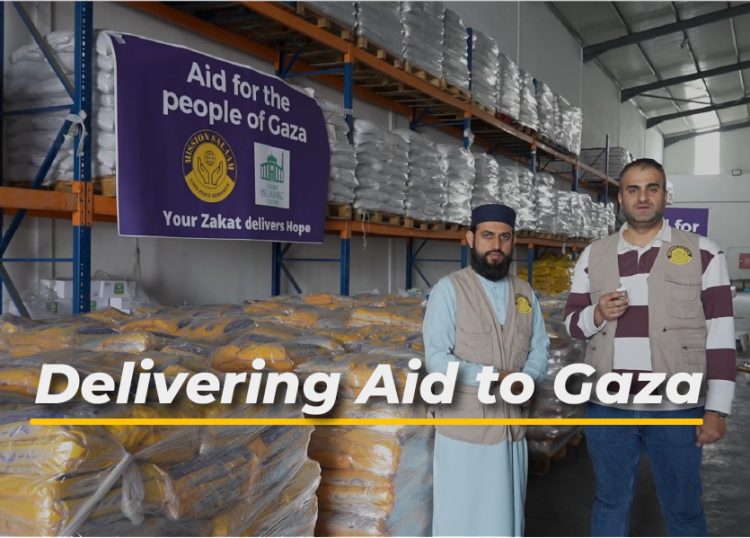
While a ceasefire has been declared, the dire conditions continue, and we thus urge our donors to continue their generous support. This aid is not only critical for immediate survival.
DONATE ➜
You can restore a masjid in Africa with much needed works so that it can be prayed in safely once again.
DONATE ➜
We have delivered over 50 Handpumps in just the last 2 months and have reported back to our donors
DONATE ➜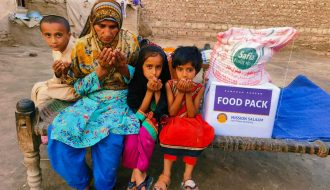
Our "Feed the Hungry" initiative aims to provide essential sustenance and nourishment to vulnerable communities facing food insecurity.
DONATE ➜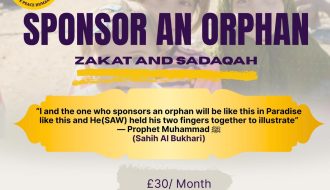
At Mission Salaam, we believe every child deserves a chance to live with dignity, hope, and opportunity.
DONATE ➜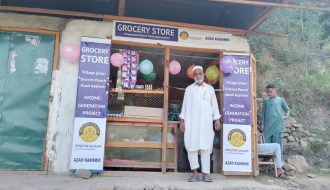
Business startup funds for needy people are designed to provide accessible capital, mentorship, and resources to help underprivileged entrepreneurs launch sustainable ventures.
DONATE ➜
There are thousands of widows who need a home for themselves to save them from being abused
DONATE ➜
Your contribution directly supports the students of Islam to spread the beautiful teachings of Islam globally.
DONATE ➜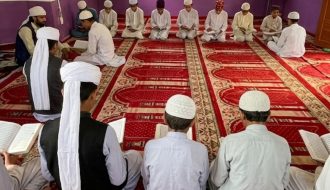
The Prophet (PBUH) said: “Whoever recites the Qur’an and learns it and acts according to it will be given a crown of light to wear on the Day of Judgement.”
DONATE ➜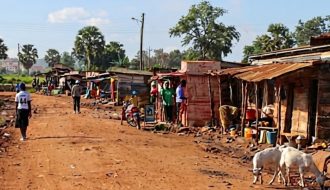
In Uganda, female-headed households experience higher rates of multidimensional poverty (49%) compared to male-headed households (39%).
DONATE ➜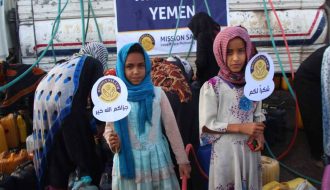
More than 11 million children are in need of one or more forms of humanitarian assistance says Unicef.
DONATE ➜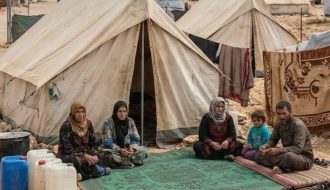
Help refugees from Gaza who are freezing and hungry right now, awaiting your aid.
DONATE ➜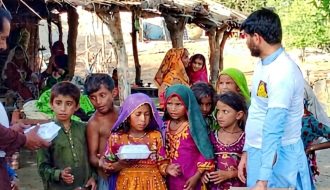
Hundreds killed as floods ravage north Pakistan. Your donation can save a family from this horrible situation.
DONATE ➜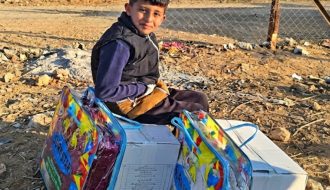
Pakistan is highly susceptible to climate change impacts, including harsh winters that disproportionately affect marginalized communities.
DONATE ➜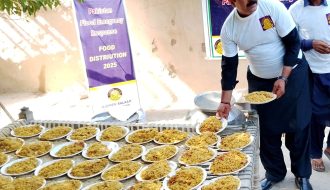
Simply providing nutritious hot cooked meals (£10 for 25 meals), helps to fill stomachs, warm hearts, and relieve pressure on families, and it sows the seeds of hope.
DONATE ➜
By providing a new Muslim with the tools to practice their faith, you are helping preserve the Ummah in Africa.
DONATE ➜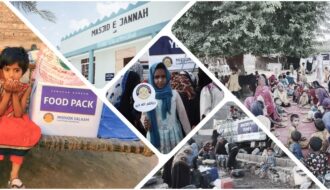
Set up a small weekly Sadaqah and it will be given every Friday — the most blessed day of the week — even when life is busy. From £2 a week, your consistency helps Mission Salaam keep serving families in need.
DONATE ➜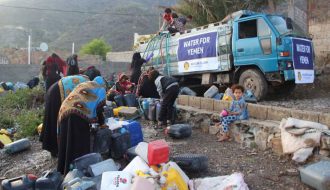
Your £5 or £10 Direct Debit can do miracles and does not bother your finances
DONATE ➜Blogs

We'd like to keep you updated about our projects and fundraising activities. Please confirm if you are happy for Mission Salaam to contact you via:

*I would like Mission Salaam to treat all donations I have made in the past, this donation and all my future donations until I notify otherwise as Gift Aid donations. I am a UK taxpayer and understand that if I pay less Income Tax and/or Capital Gains Tax that the amount of Gift Aid claimed on all my donations I that tax year it is my responsibility to pay any difference. Please inform Mission Salaam if you want to cancel the declaration, change your name or address or no longer pay sufficient tax. The Gift Aid amount claimed will be used towards fundraising/administrative costs as well as our Where Most Needed fund to save and transform more lives.