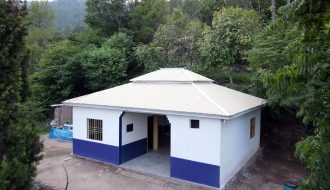
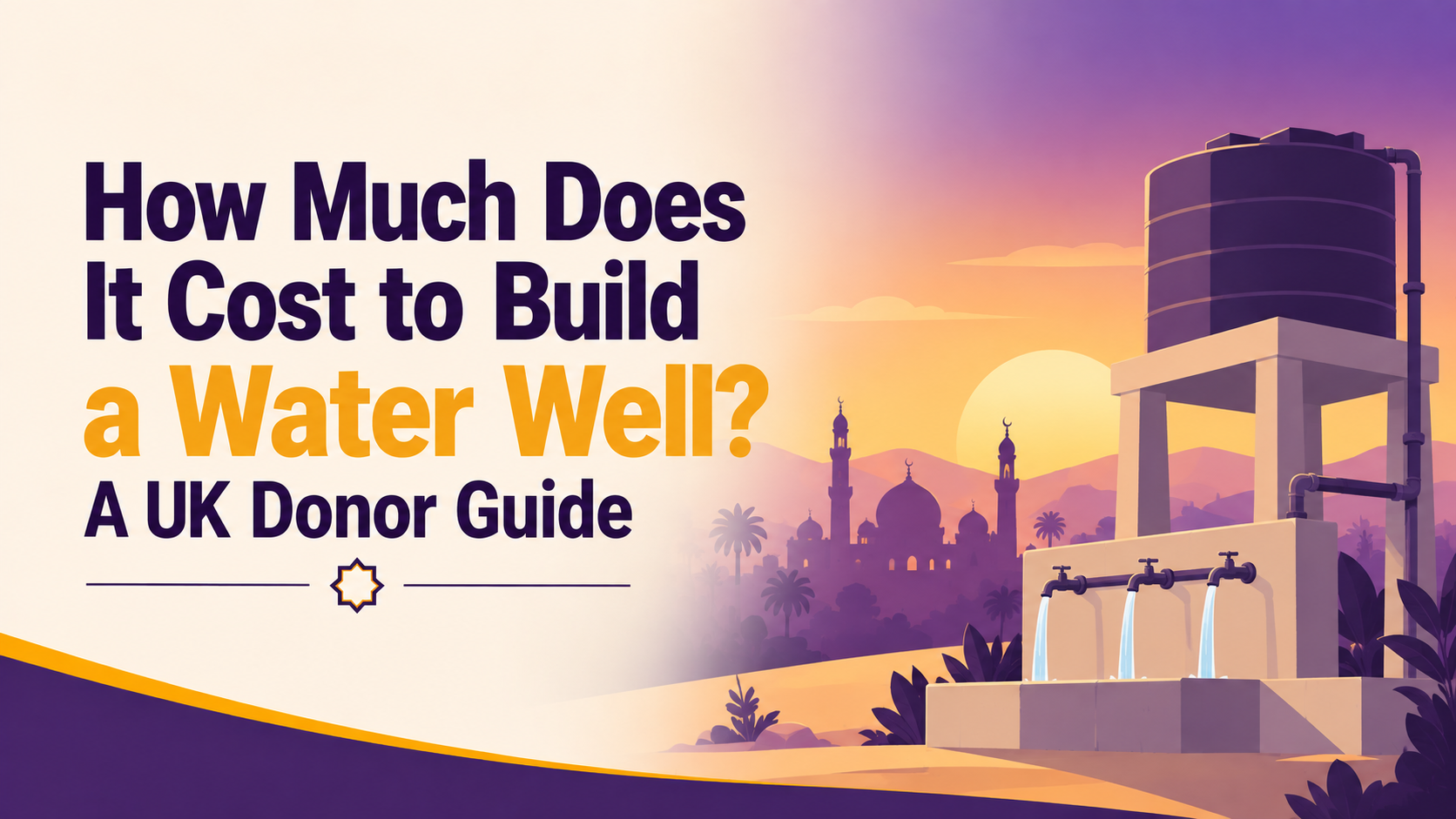
The cost of a charity water project can range from a relatively small handpump donation to thousands of pounds for a larger well or powered system. That wide range can be confusing when several appeal pages all use similar photographs and descriptions.
There is no single price that applies to every community. Location, depth, equipment, access and the work included in the project can all affect the amount requested.
For a donor, the most useful comparison is therefore not simply the lowest figure. It is what the project will provide, why that design suits the location and how the water supply will be kept usable and safe.
1. How Much Do Charity Water Projects Cost?
As checked in September 2026, Mission Salaam's Safe Water Projects appeal lists these options:
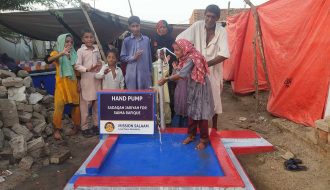
- Pakistan handpump: £120.
- Bangladesh handpump: £190.
- Solar deep water well in Pakistan: £700.
- Deep water well in Africa: £2,000.
These are advertised donation options, not a universal construction price list. Check the live appeal before giving, as amounts and availability may change.
Other UK charities offer different packages. Muslim Charity, for example, advertises a water-pump option, while Islamic Help explains how project type and location affect cost. Their prices should not be compared as though the specifications, reporting and ongoing arrangements were necessarily identical.
A full-project amount may also differ from a contribution towards a shared fund. Read the description carefully so that you know whether your payment funds a complete installation or contributes alongside other donations.
2. Why Do Prices Vary So Much?
Ground conditions and the depth needed to reach a suitable source can affect the work involved. Equipment, transport, labour and access to the location may also differ. A project serving a larger group may require a different design from one intended for a small household cluster.
Powered equipment can introduce further components, such as solar panels, storage or distribution points, depending on the design. Do not assume that all of these are included because an appeal uses the word “solar”.
An unusually low price does not automatically prove poor work, and a high price does not establish quality. The answer lies in the specification and delivery arrangements.
Ask what the amount covers. It may be important to know whether assessment, water-quality checks, installation, training, repairs or follow-up are included. If the page does not say, ask the charity instead of filling the gap with an assumption.
3. What Is the Difference Between a Handpump and a Well?
The terms describe different parts of a water supply. A well or borehole provides access to the water source. A pump is a way of lifting water from that source. A handpump and a well are therefore not always competing alternatives: one installation may include both.
Appeal labels can simplify those details for donors. That is understandable, but it makes the full description important when comparing options.
Depth alone does not guarantee safe drinking water. Water quality depends on conditions at the source, the design, surrounding risks and how the installation is operated and maintained. WHO's sanitary inspection material and WaterAid's technical resources emphasise assessing risks rather than relying on a label.
Ask how the source is assessed, what testing is carried out and how problems are addressed. These questions are more useful than assuming that “deep”, “new” or “solar” automatically means the water will always be safe.
4. Can a Water Project Be Sadaqah Jariyah?
A water project can provide continuing benefit when people keep using it. That is why water appeals are often offered as opportunities for Sadaqah Jariyah.
Sahih Muslim 1631 identifies ongoing charity among the deeds whose benefit can continue after a person's death. This gives a general foundation for seeking lasting reward through a useful project. It does not promise that a particular installation will operate forever.
The Prophet ﷺ also told the account of a man who gave water to a thirsty dog and was forgiven. The narration in Sahih al-Bukhari 2363 confirms reward for serving living creatures. It is a reminder of the value of relieving thirst, not a technical guarantee attached to a donation package.
For donors, maintenance is part of taking the idea of continuing benefit seriously. Equipment can wear out, sources can change and repairs may be needed. Ask who is responsible when that happens and whether the community has a workable way to report a fault.
5. What Should You Ask Before Donating?
A short set of questions can help you understand an appeal:
- Where will the project be installed, and why is it needed there?
- What type of source and equipment are included?
- How will water quality and local risks be checked?
- Who will use, manage and maintain the installation?
- What evidence of completion or follow-up will be provided?
These questions do not require a donor to become an engineer. They help establish whether the charity can explain the project beyond a photograph and a price.
If you cannot fund a whole installation, check whether partial contributions are accepted. Mission Salaam's appeal includes general water donation options as well as named project amounts. Ask how pooled donations are allocated if that affects your choice.
A plaque or dedication may be meaningful to a donor, particularly when giving for a loved one. It should remain secondary to the project's usefulness. Clear information about location, operation and maintenance tells you more about the intended benefit than the appearance of a nameplate.
Keep the donation confirmation and any stated project terms. If timescales change, ask for an update without assuming that every delay proves a problem. Site work can involve practical constraints, but donors can reasonably seek a clear explanation.
6. Final Takeaway
Water-project prices vary because communities and technical requirements vary. Mission Salaam currently advertises options from £120 for a Pakistan handpump to £2,000 for a deep water well in Africa, with details to confirm on the live appeal.
Choose with attention to the full project: a suitable source, safe delivery, clear management and a realistic maintenance plan. Those questions help connect your donation to the continuing benefit you hope it will provide.