Losing a husband can bring grief alongside sudden practical worries. A woman may need to manage housing, income, paperwork and care for children while adjusting to a major change in her life.
Those needs are not identical in every household. Some widows have financial security and strong family support. Others face immediate hardship or a longer struggle to find stable housing and income.
Islam gives clear encouragement to caring for widows and people in need. Understanding that encouragement should lead us to listen carefully, offer useful support and respect each person's dignity. The most helpful response begins with the family's circumstances rather than an assumption about what every widow needs.
1. What Does Islam Teach About Helping Widows?
The Prophet ﷺ gave strong encouragement to someone who works to support a widow or a poor person. Sahih al-Bukhari 5353 compares that effort with striving in Allah's cause and with sustained prayer and fasting. This is a summary of the narration's meaning.
The hadith draws attention to active care. Helping may involve money, but it can also require time, effort and attention to practical needs. A useful response could include arranging support, helping someone access services or continuing to check that an agreed solution is working.
This is not a reason to make exaggerated claims about a particular donation package. The narration does not attach its encouragement to one charity, one payment amount or a guaranteed result.
It also does not mean that every widow is financially eligible for Zakat. Widowhood and Zakat eligibility are separate questions. Where Zakat is being considered, the person's circumstances and the payment arrangement must be checked under the relevant rules.
2. What Difficulties Might a Family Face?
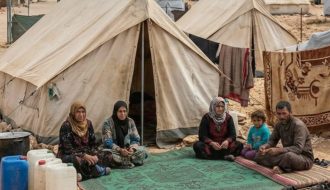
Needs may change over time. Immediately after a death, a household might need help with food, essential bills, transport or administrative tasks. Later, the main difficulty may be housing costs, employment or keeping children in education.
UK charities' programmes show the range of possible support. Ummah Welfare Trust describes assistance for widows facing household hardship, while Muslim Aid includes widows within wider support work. Islamic Relief has also reported healthcare assistance for widowed women in particular programmes.
These examples show why one standard response cannot cover every family. They should not be read as a claim that all charities provide all of these services everywhere.
Ask what would actually make a difference. A food parcel may be welcome, but it will not solve an unsafe roof. Training may be useful, but it may be difficult to attend without childcare or transport. Listening helps prevent a well-meant donation from missing the most urgent concern.
3. Why Can Safe Housing Matter So Much?
A stable home can provide privacy, shelter and a more secure place for daily life. For a family facing unsafe accommodation or repeated moves, housing support may address a major source of uncertainty.
The details of a housing project matter. Donors should ask what is being built or repaired, who will occupy it, how families are selected and what arrangements protect their ability to remain there.
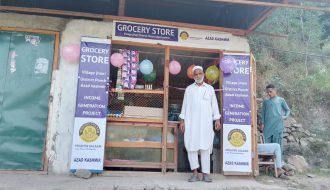
As checked in September 2026, Mission Salaam's Homes for Widows appeal lists a full home in Sindh at £3,800 and in Azad Kashmir at £5,500, alongside contribution options. The page describes homes with at least two rooms and separate cooking and washroom facilities.
Those are the appeal's advertised descriptions and amounts. Check the current page before donating, and ask directly about land, occupancy, completion and maintenance arrangements. A fundraising summary should not be treated as proof of a particular legal ownership model or a lifetime guarantee.
4. What Support Can Help Beyond an Emergency?
Emergency assistance and longer-term support can serve different needs. Once immediate essentials are covered, a family may want help with skills, reliable income, education or access to local services.
That does not mean every widow should be expected to start a business. Health, caring responsibilities, available work and personal preference all matter. A project should fit the person rather than pressure them into an activity because it produces an attractive fundraising story.
Small practical actions can also help. Someone may appreciate assistance completing forms, finding a trusted adviser, attending an appointment or arranging childcare for an important meeting. Offer what you can genuinely provide and be clear about any limits.
Avoid taking over decisions. Help should increase the person's ability to manage their circumstances, not make the donor the gatekeeper for every choice. Where specialist legal, welfare or safeguarding issues arise, involve people qualified to handle them.
5. How Can Donors Give With Care?
Before choosing an appeal, ask:
- What need has been assessed, and how are families selected?
- What will this donation fund?
- Is it a one-off intervention or part of continuing support?
- What updates can donors expect?
- How are the family's privacy and safety protected?
These questions can be asked respectfully. A charity should be able to explain its work without sharing every private detail of a household's life.
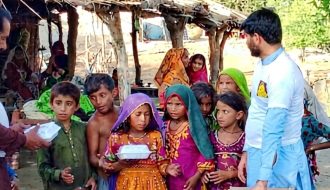
Be cautious about forwarding personal stories or photographs from an appeal without context. The fact that someone has received help does not remove their right to privacy. Children, in particular, should not become identifiable through unnecessary details about where they live or what their family has experienced.
If helping someone you know, make the offer specific and easy to decline. “Could I help with transport to your appointment?” may be more useful than a vague promise to do anything. Follow through on what you agree, and avoid repeated questions that require the person to retell painful events.
Choose an amount or commitment that you can sustain. Dependable support begins with realistic promises. If your circumstances change, communicate clearly rather than allowing someone to plan around help that will not arrive.
6. Final Takeaway
Helping widows is strongly encouraged in the Sunnah, and meaningful support can take several forms. Housing, essentials, education and practical assistance may each matter, depending on the family.
Listen first, check how a project works and protect the dignity of the people receiving help. A thoughtful response recognises both the difficulty someone may be facing and their ability to make decisions about their own future.