A new job, a safe medical result, a marriage, the birth of a child or success after a long wait can fill a person with relief. One meaningful response is to give Sadaqah as an expression of gratitude to Allah.
This is a voluntary good deed, not a payment required before you may enjoy the news. Islam does not prescribe a fixed amount for every happy occasion, and a donation should not be presented as a guarantee that the blessing will never change.
1. Can Sadaqah be a response to good news?
Yes. Sadaqah may be given at any time for Allah’s sake, and good news can prompt a person to share some of what they have received.
The principle is shukr, or gratitude. Allah says:
“If you are grateful, I will certainly give you more.”
(Qur’an 14:7)
Gratitude is wider than words. It includes praising Allah, obeying Him and using His gifts responsibly. A financial blessing can help someone else. A recovery can lead to support for healthcare. The birth of a child can prompt help for another child or family. The connection should be thoughtful, not superstitious.
2. No fixed donation is prescribed
The amount can therefore match the person’s means and the size of the blessing. Someone starting a new job may give a small part of their first pay. A family welcoming a child may provide a meal. A person receiving good medical news may support treatment for someone else. None of these examples creates a rule for other Muslims.
It is also better not to make an unplanned vow. A voluntary gift made freely is simple. A vow can create a binding duty and may require scholarly advice if its wording is unclear.
Nor should Sadaqah be treated as a fee that secures the blessing. Wealth, health and family life remain subject to Allah’s decree. Give in thanks and hope, but do not promise yourself or others a worldly outcome that revelation has not guaranteed.
3. What the Sunnah records when good news arrived
Abu Bakrah reported that when something came to the Prophet ﷺ which pleased him, he prostrated in gratitude to Allah.
(Sunan Abi Dawud 2774, graded sahih on Sunnah.com)
This is the clearest direct report about his response to pleasing news. It teaches immediate gratitude to Allah. Sadaqah can accompany that gratitude as a general good deed, but it should not replace what the hadith actually says.
A person may therefore say alhamdulillah, make du’a, perform the prostration of gratitude according to the guidance they follow and give a voluntary charity. Not every response has to be public.
4. Ka’b ibn Malik: generosity with balance
Ka’b ibn Malik received life-changing good news when Allah accepted his repentance after the expedition of Tabuk. In gratitude, he told the Prophet ﷺ that he wished to give all his property in charity. The Prophet ﷺ replied:
“It is better for you to keep some of the property for yourself.”
(Sahih al-Bukhari 2757)
This incident offers a valuable balance. Generosity was a sincere response to relief, but the Prophet ﷺ did not encourage an impulsive gift that left nothing behind.
Your Sadaqah should fit your means. Keep enough for debts, essential costs and the people you support. A smaller gift made calmly can express gratitude more faithfully than a dramatic donation followed by hardship or regret.
5. Good occasions for a voluntary gift
The link between the news and the cause can make the act more thoughtful. A graduation may lead to support for education. Moving into a home may lead to help with shelter. A safe birth may lead to support for mothers and children.
There is no need to announce the amount. Keeping the donation private may protect sincerity. If the good news is shared publicly, the charity can still remain between the giver and Allah.
Sadaqah may naturally accompany:
- Recovery or reassuring medical news.
- A new job, promotion or successful business result.
- Marriage, a new home or the birth of a child.
- Examination results, graduation or acceptance onto a course.
- Reunion with someone, safe travel or relief from a difficulty.
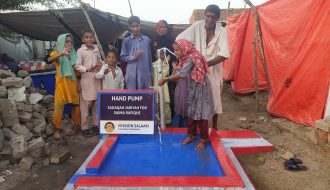
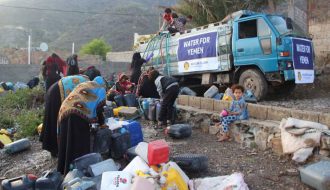
The cause may connect with the blessing, but it does not have to. You could fund a meal after receiving your first salary, support clean water after returning safely from a journey or give quietly to a local family after moving into a new home.
6. How to give without pressure
Begin with praise and a clear intention: “O Allah, this is from Your provision. Accept this charity as gratitude to You.” Choose an amount you can afford and a credible route that explains how donations are used.
Avoid announcing a person’s private news through a public dedication without their consent. Avoid emotional pressure on relatives to match your gift. Most importantly, avoid telling people that a failure to donate invites harm.
Good news is a reason to remember the Giver. Sadaqah can turn personal happiness outward, allowing another person to share in the good while the donor responds with humility, gratitude and balance.