Food meets an immediate need. It can also communicate care, protect dignity and bring people together. Islam places feeding others among the actions that reveal the quality of a person’s faith.
When a man asked the Prophet Muhammad ﷺ which qualities of Islam were best, he replied:
“To feed people and greet those whom you know and those whom you do not know.”
(Sahih al-Bukhari 12)
The answer joins two actions: provide food and extend peace. Together, they describe a community in which people are not ignored because they are poor, unfamiliar or outside our usual circle.
1. Why feeding others holds a central place in Islam
Hunger affects the body immediately. A person who lacks food cannot postpone that need. Providing a meal therefore becomes a direct form of relief.
The Qur’an praises the righteous who give food, despite wanting it themselves, to the poor, the orphan and the captive. Their intention is expressed clearly:
“We feed you only for the sake of Allah, seeking neither reward nor thanks from you.”
(Qur’an 76:8-9)
This passage teaches more than generosity. It teaches that the recipient should not be made to repay a meal with praise, loyalty or public gratitude. The act is for Allah. The person receiving it should be treated with dignity.
2. Feeding people we know and people we do not
The hadith does not limit food to family, friends or members of a familiar group. It places feeding alongside greeting those we know and those we do not know.
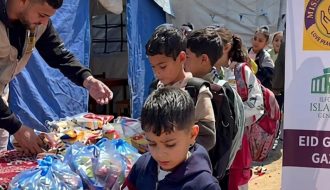
That matters because generosity can easily remain inside our own circles. Islam expands it. A meal can reach a neighbour living alone, a new family in the area, a person sleeping rough, a refugee household, a student struggling with costs or a family abroad facing conflict and displacement.
The need, not personal familiarity, is what makes the act important.
3. Food Should Be Given With Dignity
Dignity also affects how help is organised. People should not have to tell their private story in public simply to receive a meal. Photographs should not be taken without real consent. Food should suit the people receiving it, and families should have a reasonable choice where possible.
The same care applies at home. Inviting a new neighbour, an international student or an older person to eat can reduce loneliness as well as hunger. A shared table can help someone feel that they belong, especially when they are new to a place or living far from family.
Feeding someone is not only the delivery of calories. The way food is offered matters.
A suitable meal, presented respectfully and without humiliation, allows a person to eat without being treated as a problem. Shared food can also reduce isolation. It creates a natural point of welcome between neighbours, relatives and people who may otherwise remain strangers.
This is one reason food appears so often in Muslim hospitality and charity. It answers an urgent material need while making room for human connection.
4. Who should we begin with?
Public charity does not cancel private responsibility. The Prophet ﷺ said that a person should begin with those they support.
(Sahih al-Bukhari 5356)
Providing food for one’s children and dependants is a duty and can carry reward when done sincerely. From there, Muslims are encouraged to look outward: relatives in difficulty, neighbours, guests and people facing hunger locally or overseas.
These responsibilities do not need to compete. A person can care properly for their household and build a regular habit of feeding others according to their means.
5. Practical ways to make feeding a regular act
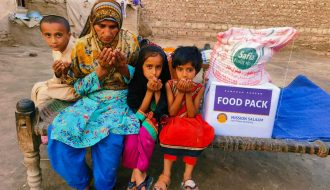
Before supporting a food appeal, read what the donation provides. A hot meal may be right after a disaster or during displacement. A food pack may suit a household that has cooking facilities and needs support for several days. Cash or vouchers may offer more choice where local markets are working.
Ask how the charity checks need, chooses food and deals with allergies, storage and safe delivery. These practical questions do not reduce the spiritual value of giving. They help make sure the meal reaches people in a useful and respectful way.
Feeding others does not require a large event. It can be built into ordinary life:
- Cook an additional portion for a neighbour or relative.
- Pay for a meal discreetly when someone is struggling.
- Support a food bank or community kitchen.
- Fund cooked meals or food supplies through a charity with clear delivery processes.
- Invite someone who may be isolated to share a meal.
- Set a small monthly amount aside for food support.
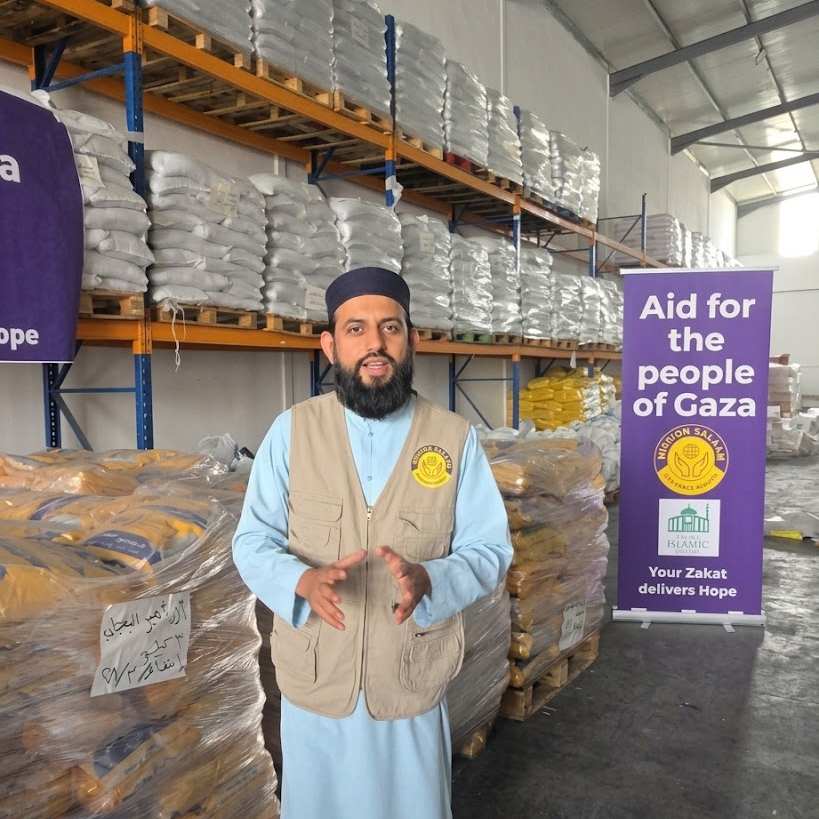
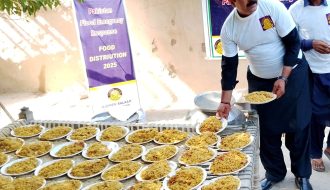
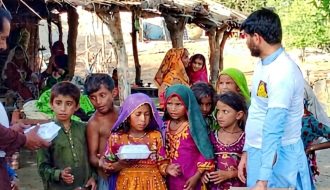
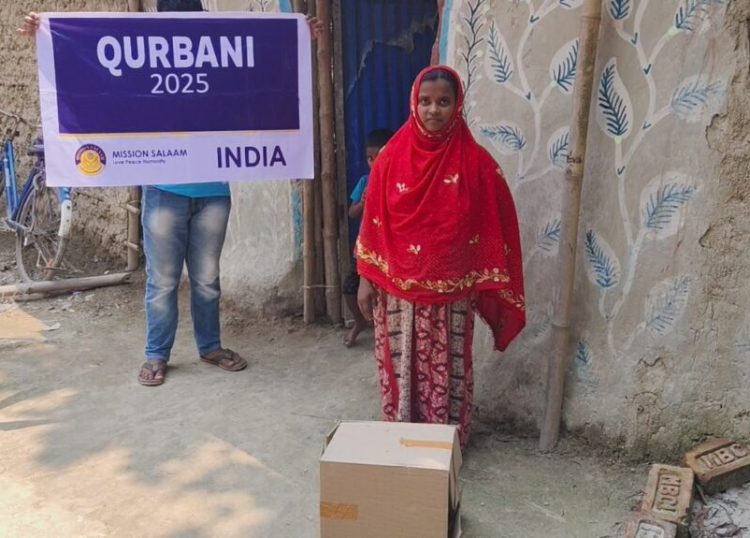
For readers who want an organised route, Mission Salaam’s current Million Meals Mission funds hot meals through local kitchens and community partners, while its Food Packs appeal supports households in Pakistan and bread distribution in Yemen. These are two different delivery models, so donors can choose between cooked meals and household food support after reading the relevant appeal.
Feeding others is a Prophetic act because it joins worship with service. It responds to hunger, protects dignity and widens the circle of people we are willing to care for.