113 CHESTER AVENUE LUTON LU4 9SQ
020 4509 9247
info@missionsalaam.uk
1199236

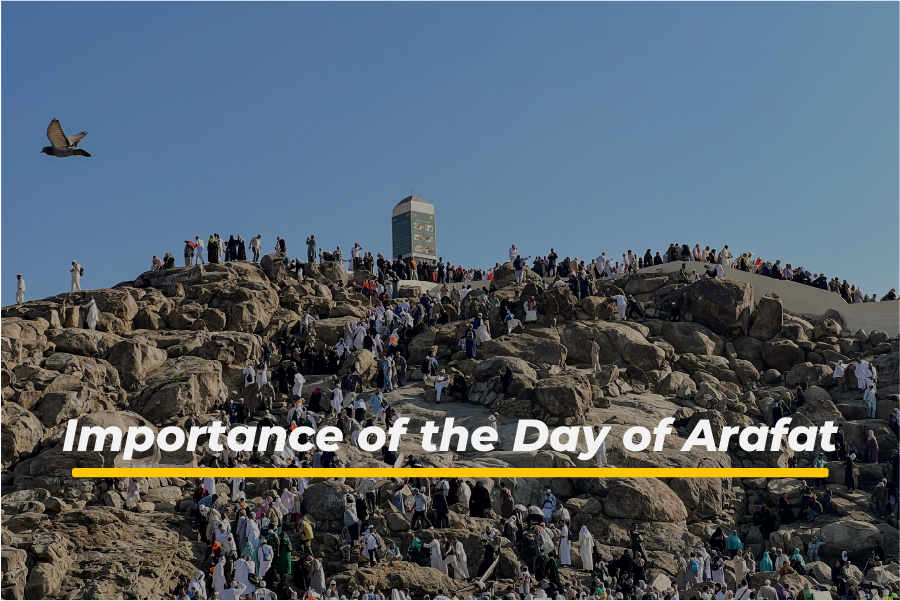
The Day of Arafah is one of the most important days in the Islamic calendar. It falls within the first ten days of Dhul Hijjah and stands out as a peak moment for worship, reflection, and forgiveness.
It is not limited to those performing Hajj. For every Muslim, it is a rare opportunity to turn back to Allah, increase in good deeds, and seek forgiveness in a way that is not found on most other days of the year.
The Day of Arafah is the 9th day of Dhul Hijjah, the day before Eid al-Adha. It is directly connected to Hajj and is the central day of the entire pilgrimage.
The Prophet ﷺ said:
“The Hajj is Arafah.”
(Jami` at-Tirmidhi)
This shows that without reaching Arafah, the Hajj itself is not complete.
On the 8th of Dhul Hijjah, pilgrims enter into the rites of Hajj and travel to Mina. They spend the day and night there in prayer and preparation before moving on to Arafah the next morning.
On the 9th, pilgrims travel to the plain of Arafah and remain there from midday until sunset. This is known as wuquf (standing at Arafah), and it is the most important part of Hajj.
During this time, pilgrims focus entirely on worship. They pray, make du’a, seek forgiveness, and remember Allah continuously.
The Prophet ﷺ described the significance of this gathering:
“There is no day on which Allah sets free more people from the Fire than the Day of Arafah.”
(Sahih Muslim)
He ﷺ also delivered his Farewell Sermon on this day, emphasising justice, unity, and accountability, which further highlights its importance.
Another key point is that pilgrims do not fast on this day. The Prophet ﷺ was seen drinking while at Arafah:
The people doubted whether the Prophet ﷺ was fasting on the Day of Arafah, so milk was brought to him while he was at Arafah, and he drank it.
(Sahih al-Bukhari)
This shows that their focus is on the physical and spiritual demands of standing at Arafah, not fasting.
After sunset, pilgrims leave Arafah for Muzdalifah, where they spend the night in worship and collect pebbles.
The next day, on Eid, they return to Mina and perform Ramy al-Jamarat for the three days of Eid. This marks the transition into the final rites of Hajj, alongside sacrifice and completing the pilgrimage.
The Day of Arafah is marked by immense mercy, forgiveness, and reward.
The Prophet ﷺ said:
“There is no day on which Allah sets free more people from the Fire than the Day of Arafah.”
(Sahih Muslim)
This highlights the scale of forgiveness associated with this day.
Fasting is one of the most emphasised acts for those not performing Hajj. The Prophet ﷺ said:
“Fasting the Day of Arafah expiates the sins of the previous year and the coming year.”
(Sahih Muslim 1162)
This gives the day a clear focus. It is a time to actively seek forgiveness and make the most of a rare opportunity for spiritual renewal.
For pilgrims, however, the focus is different. They are engaged in the rites of Hajj, and fasting is not encouraged for them on this day due to the demands of the pilgrimage.
The Day of Arafah is not limited to one act. It is a day to increase in all forms of worship.
Fasting remains the most emphasised act for those who are able. Even if someone cannot fast the earlier days of Dhul Hijjah, fasting on Arafah alone carries significant reward.
Alongside fasting, the day should be used for du’a, repentance, and remembrance of Allah. The hadith about Allah freeing people from the Fire on this day shows that it is a time of mercy, making it a strong moment to seek forgiveness and turn back sincerely.
Charity and other good deeds also align with the broader principle of increasing righteous actions during these days. The aim is to make full use of the day, not limit it to a single act.
The Day of Arafah is experienced differently depending on whether someone is performing Hajj or not.
For pilgrims, it is the central day of Hajj. Their main act is standing at Arafah in worship, which defines the pilgrimage itself.
For those not on Hajj, the focus shifts. Fasting becomes the most emphasised act, supported by the clear reward mentioned in hadith. Alongside this, du’a, dhikr, and reflection become key ways to engage with the day.
There is also a clear distinction regarding fasting. The Prophet ﷺ was seen not fasting on the Day of Arafah while at Arafah during Hajj, which shows that pilgrims are not encouraged to fast on this day.
This difference highlights how the same day carries different forms of worship depending on a person’s situation.
The Day of Arafah is a rare opportunity within the year. It combines forgiveness, reward, and spiritual focus in a single day.
The Prophet ﷺ said:
“Fasting the Day of Arafah expiates the sins of the previous year and the coming year.”
(Sahih Muslim 1162)
For those not on Hajj, this alone makes it one of the most valuable days to act on.
Whether through fasting, du’a, or reflection, it is a day that should not be missed.
Together, we can create a world where the message of love from Islam resonates in every heart, transcending barriers and building a harmonious global community.
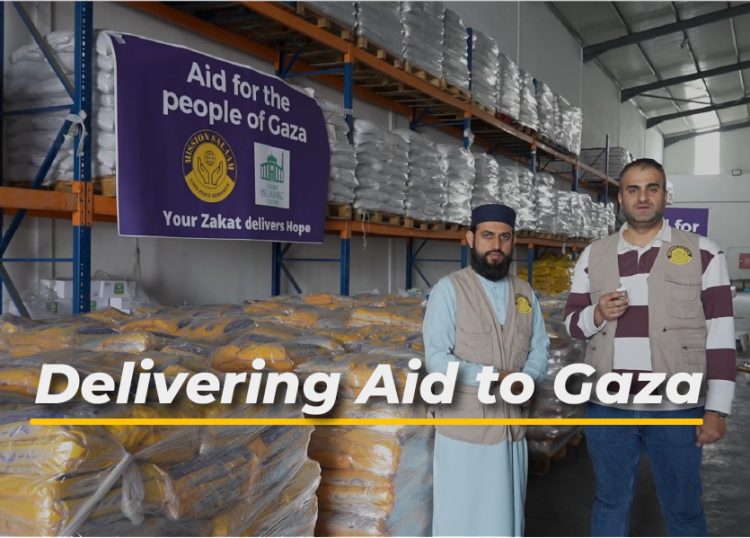
While a ceasefire has been declared, the dire conditions continue, and we thus urge our donors to continue their generous support. This aid is not only critical for immediate survival.
DONATE ➜
You can restore a masjid in Africa with much needed works so that it can be prayed in safely once again.
DONATE ➜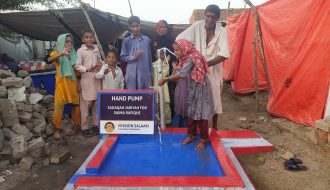
We have delivered over 50 Handpumps in just the last 2 months and have reported back to our donors
DONATE ➜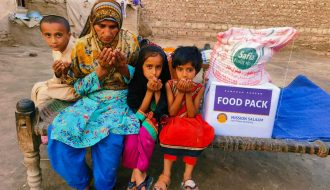
Our "Feed the Hungry" initiative aims to provide essential sustenance and nourishment to vulnerable communities facing food insecurity.
DONATE ➜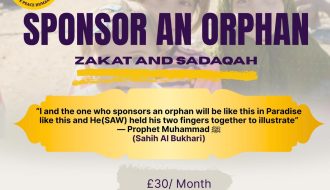
At Mission Salaam, we believe every child deserves a chance to live with dignity, hope, and opportunity.
DONATE ➜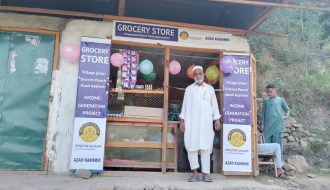
Business startup funds for needy people are designed to provide accessible capital, mentorship, and resources to help underprivileged entrepreneurs launch sustainable ventures.
DONATE ➜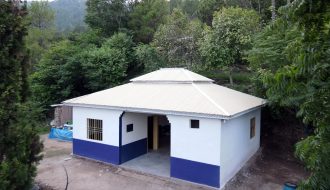
There are thousands of widows who need a home for themselves to save them from being abused
DONATE ➜
Your contribution directly supports the students of Islam to spread the beautiful teachings of Islam globally.
DONATE ➜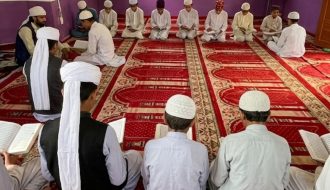
The Prophet (PBUH) said: “Whoever recites the Qur’an and learns it and acts according to it will be given a crown of light to wear on the Day of Judgement.”
DONATE ➜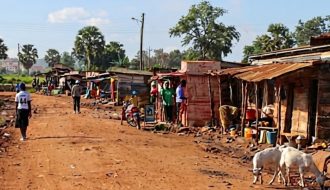
In Uganda, female-headed households experience higher rates of multidimensional poverty (49%) compared to male-headed households (39%).
DONATE ➜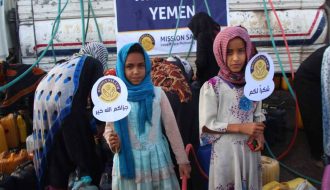
More than 11 million children are in need of one or more forms of humanitarian assistance says Unicef.
DONATE ➜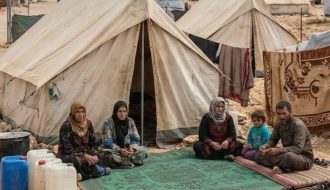
Help refugees from Gaza who are freezing and hungry right now, awaiting your aid.
DONATE ➜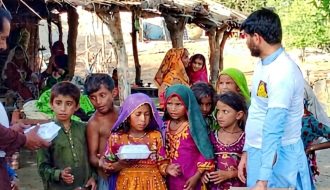
Hundreds killed as floods ravage north Pakistan. Your donation can save a family from this horrible situation.
DONATE ➜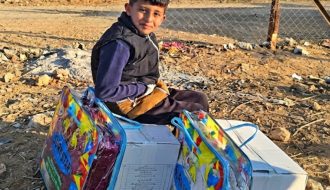
Pakistan is highly susceptible to climate change impacts, including harsh winters that disproportionately affect marginalized communities.
DONATE ➜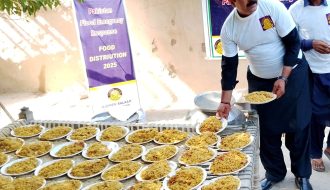
Simply providing nutritious hot cooked meals (£10 for 25 meals), helps to fill stomachs, warm hearts, and relieve pressure on families, and it sows the seeds of hope.
DONATE ➜
By providing a new Muslim with the tools to practice their faith, you are helping preserve the Ummah in Africa.
DONATE ➜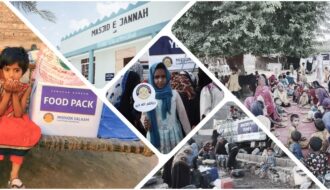
Set up a small weekly Sadaqah and it will be given every Friday — the most blessed day of the week — even when life is busy. From £2 a week, your consistency helps Mission Salaam keep serving families in need.
DONATE ➜
Your £5 or £10 Direct Debit can do miracles and does not bother your finances
DONATE ➜Blogs
We'd like to keep you updated about our projects and fundraising activities. Please confirm if you are happy for Mission Salaam to contact you via:

*I would like Mission Salaam to treat all donations I have made in the past, this donation and all my future donations until I notify otherwise as Gift Aid donations. I am a UK taxpayer and understand that if I pay less Income Tax and/or Capital Gains Tax that the amount of Gift Aid claimed on all my donations I that tax year it is my responsibility to pay any difference. Please inform Mission Salaam if you want to cancel the declaration, change your name or address or no longer pay sufficient tax. The Gift Aid amount claimed will be used towards fundraising/administrative costs as well as our Where Most Needed fund to save and transform more lives.